Hawaiian Feathered Friends Network
Hawaiʻi’s Premier Parrot Rescue · Education · Community Support · Parrot Club Organization
Tree Stands & Perches Handcrafted from Hawaiian wood, built for the birds of the islands
A well-designed tree stand is more than a place for your parrot to sit — it is a dedicated activity center, a foraging platform, an exercise space, and a home base for out-of-cage time. HFFN members have been crafting them from local Hawaiian hardwoods for years.
More Than a Place to Perch
In the wild, a parrot’s day is spent moving through trees — climbing, hanging, chewing bark, investigating crevices, foraging, and watching the world from height. A tree stand brings that richness into the home. Unlike a flat tabletop gym or a simple T-bar perch, a well-built tree stand offers irregular branches at multiple heights, diverse diameters that keep feet and legs healthy, and natural surfaces that invite chewing and exploration.
For out-of-cage time, a tree stand gives your bird a defined, safe home base — a place that is unmistakably theirs, loaded with toys and foraging opportunities, positioned where they can be part of household activity without being overwhelmed. Many birds return to their stand voluntarily and spend hours there contentedly, which makes daily out-of-cage time less stressful for both bird and guardian.
A tree stand made from real branches isn’t just enrichment — it’s the closest thing to a wild perch a captive parrot can have, and parrots know the difference.
Built by Our Community
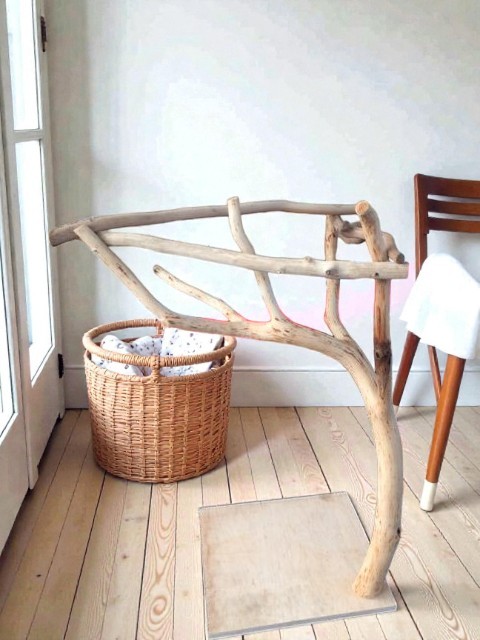
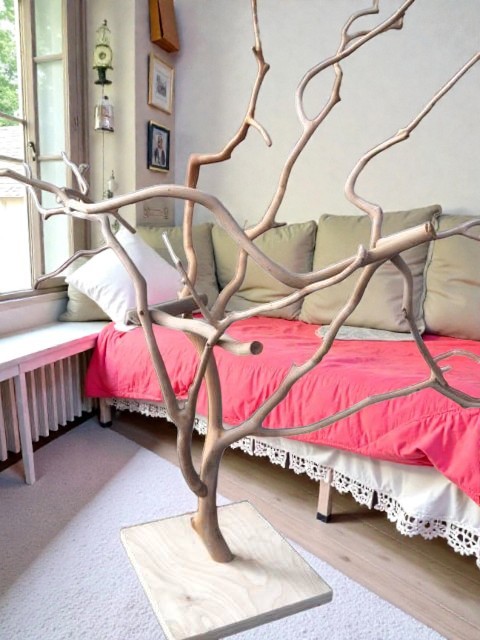
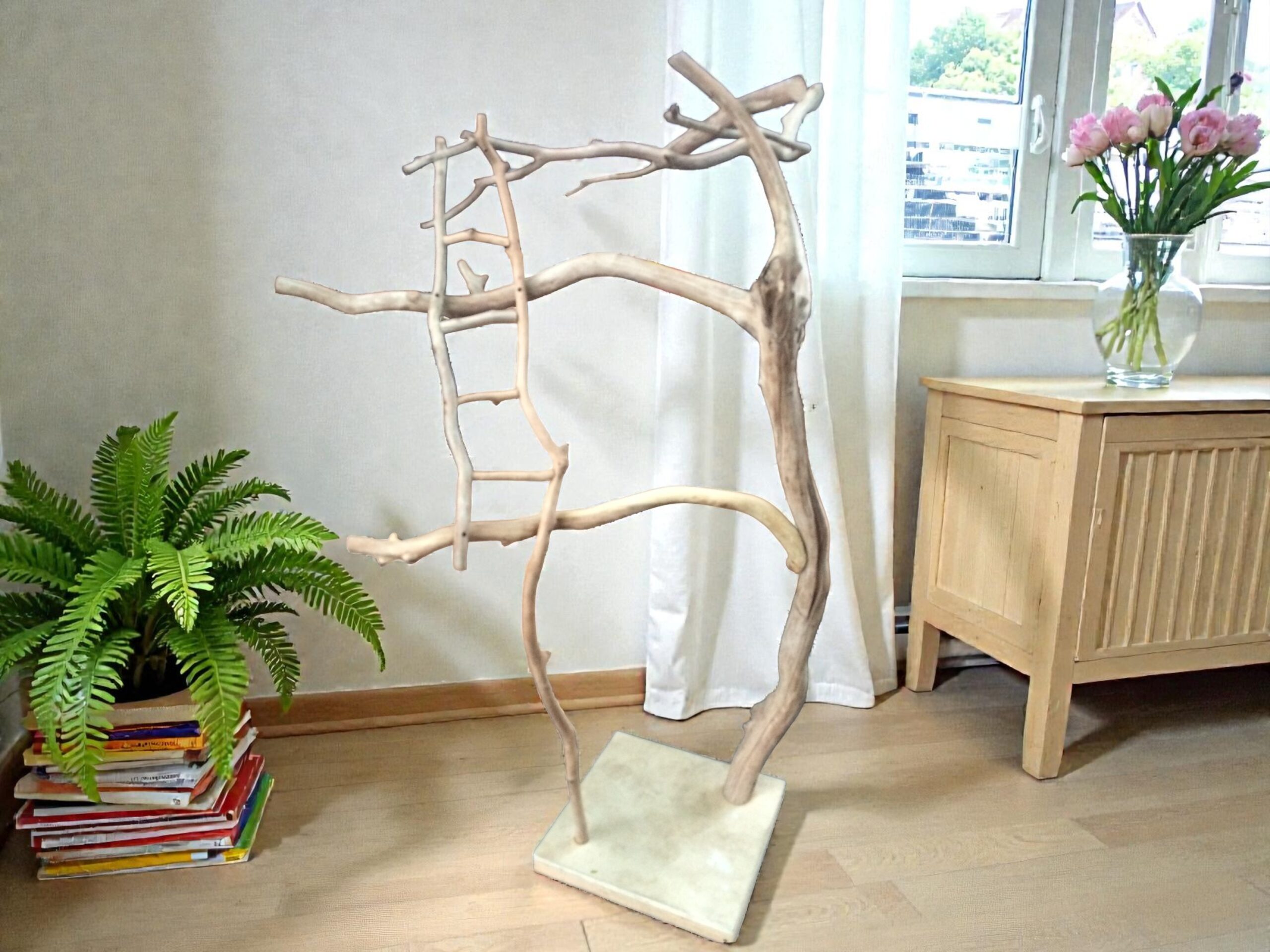
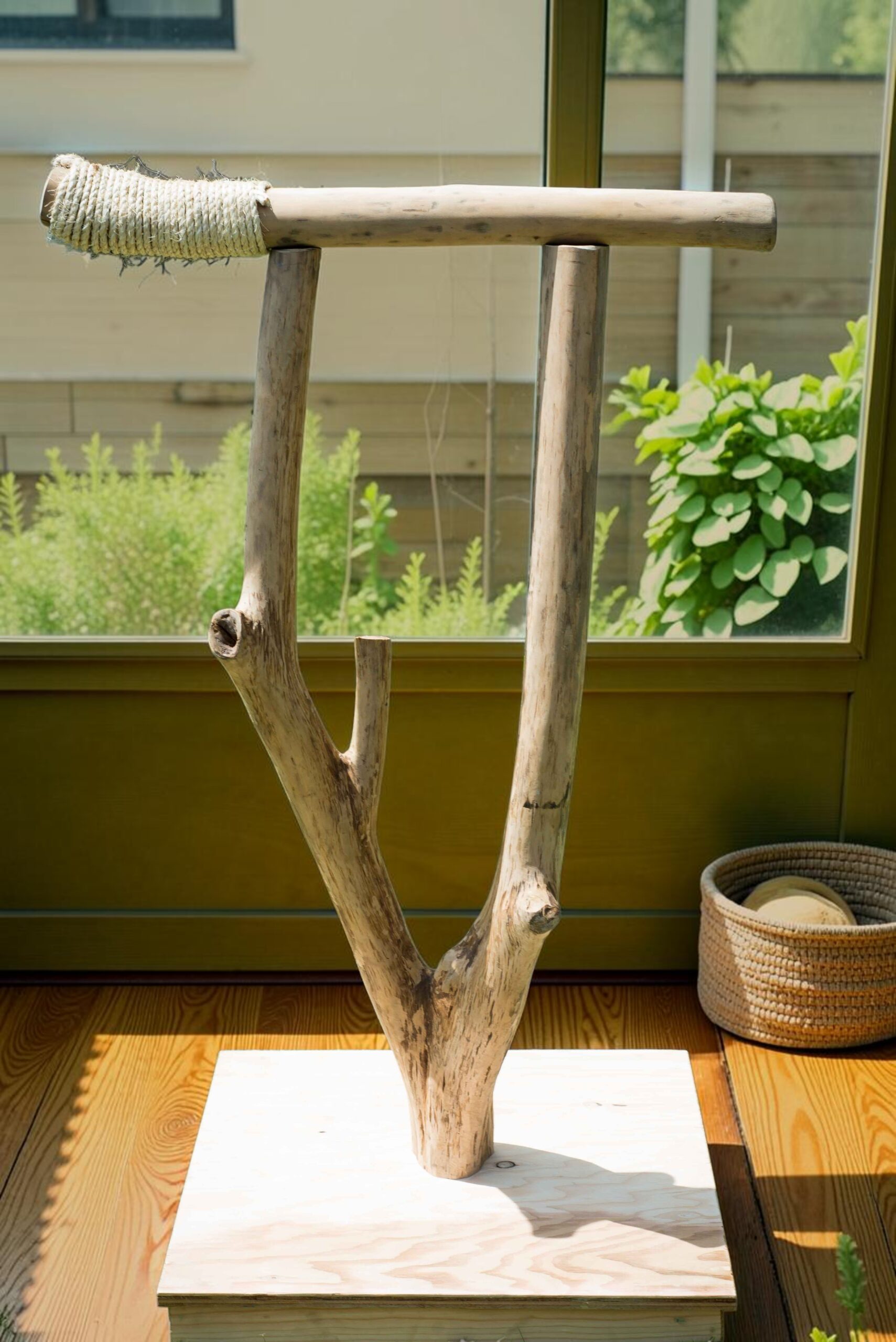
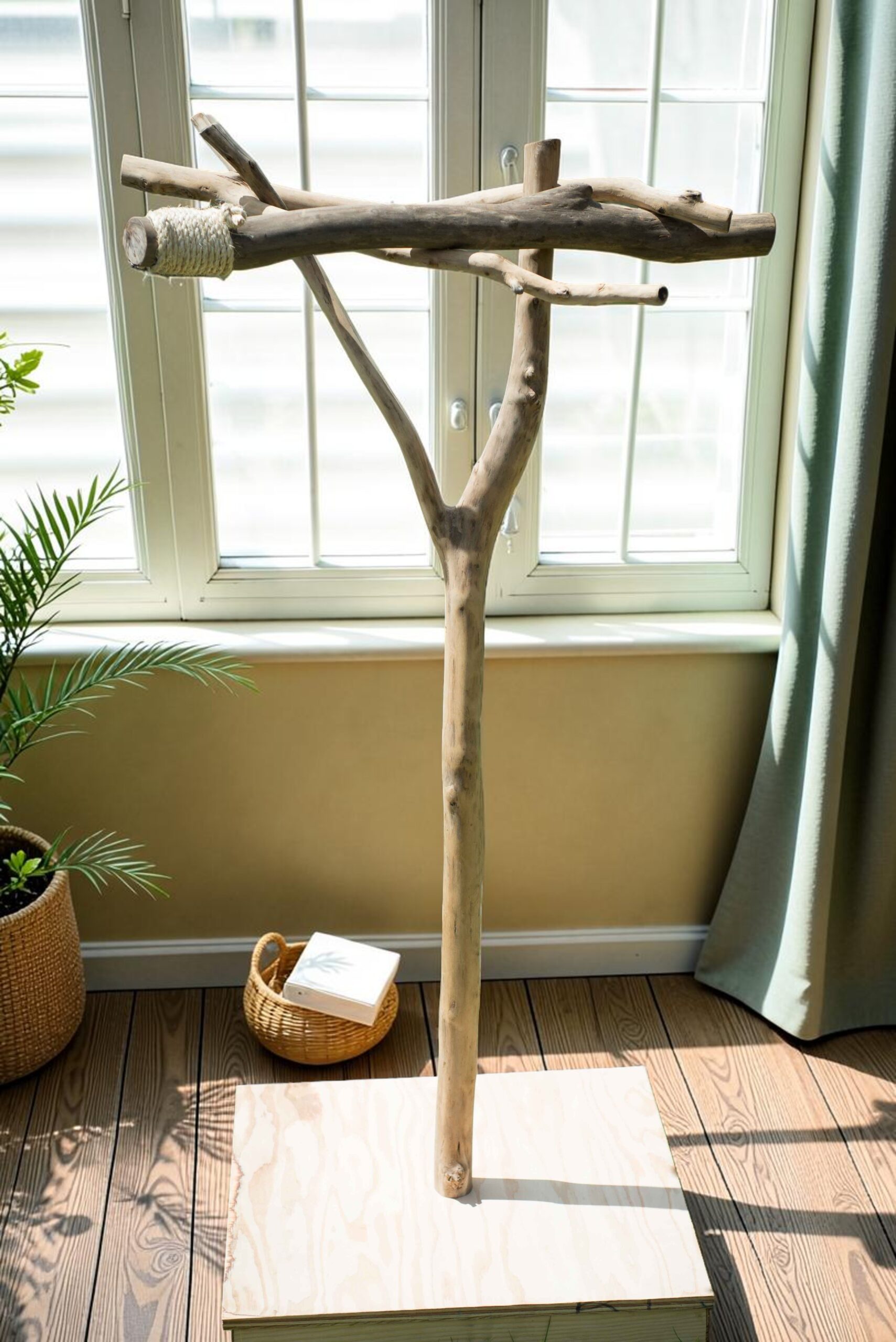
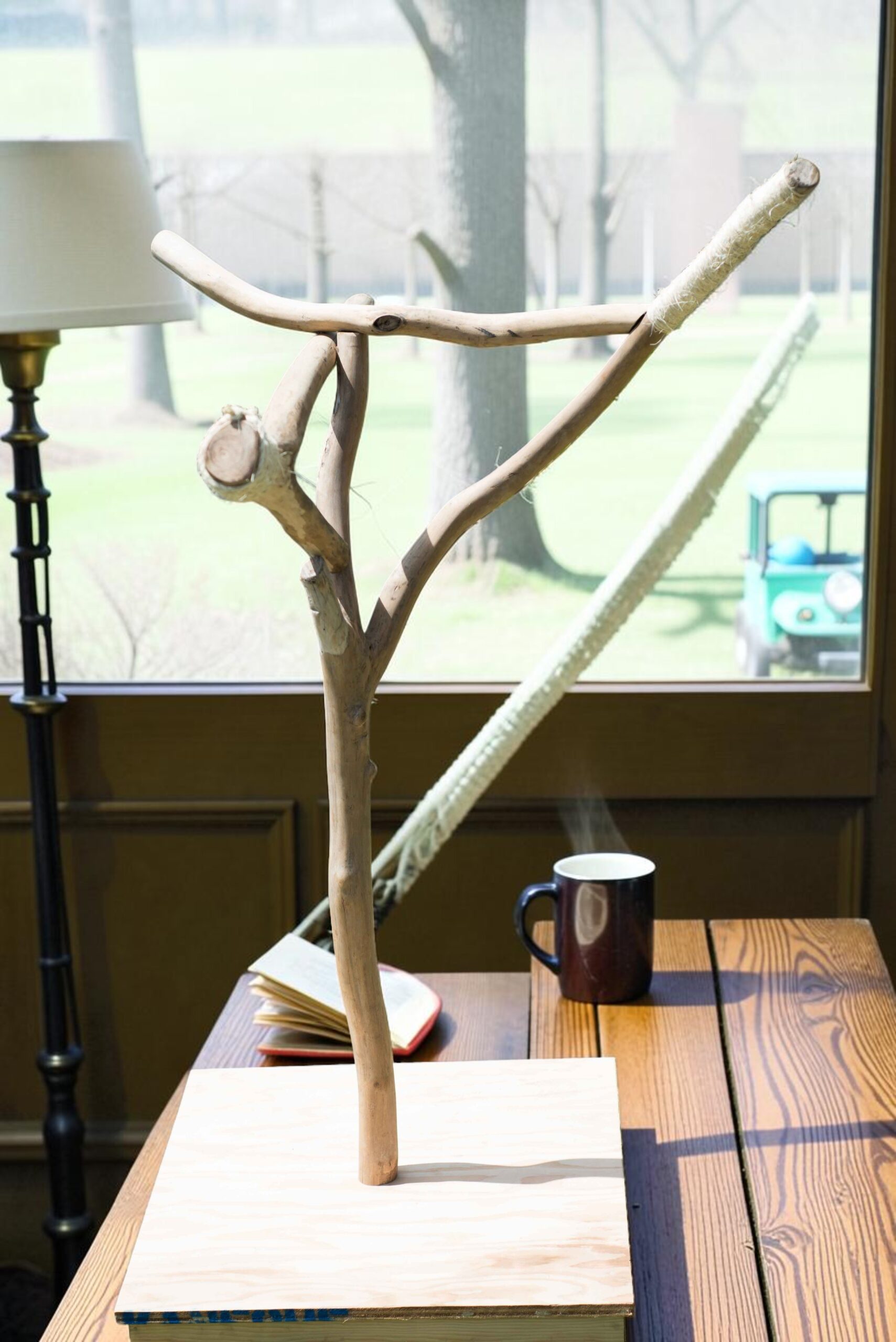
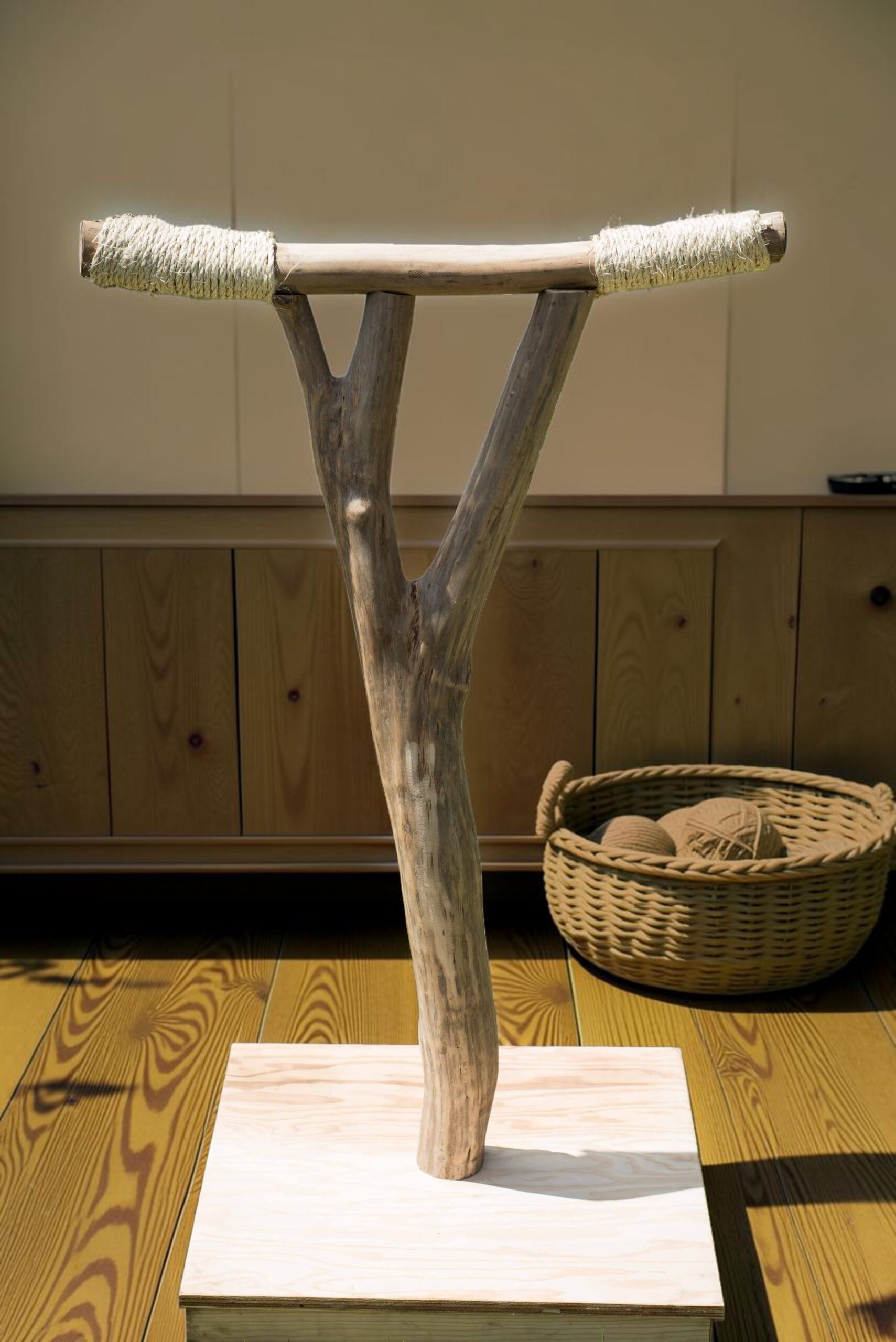
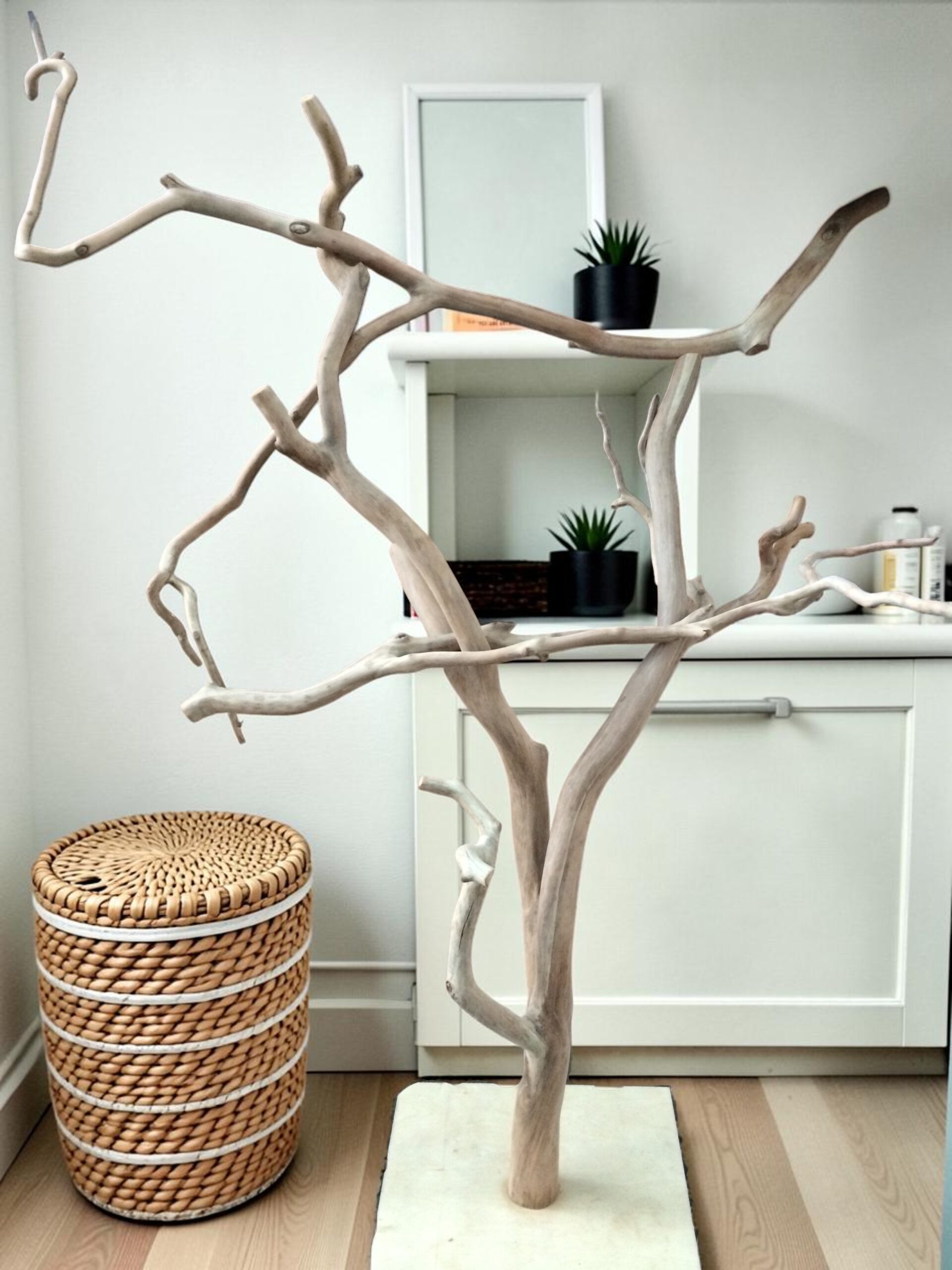
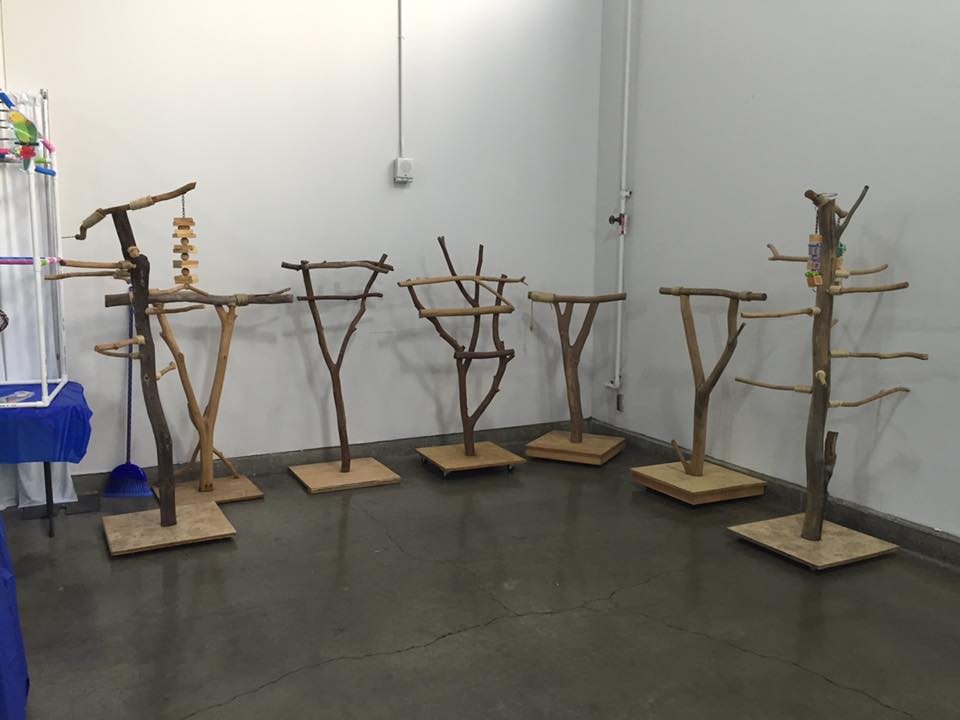
HFFN members have been designing and building tree stands from local Hawaiian hardwoods for years. Each stand is unique — shaped by the wood itself, sized for specific birds, and built with the same care and aloha spirit that defines everything our ʻohana does. Below is a selection of stands crafted by our community.
Parrots at Home on Their Stands
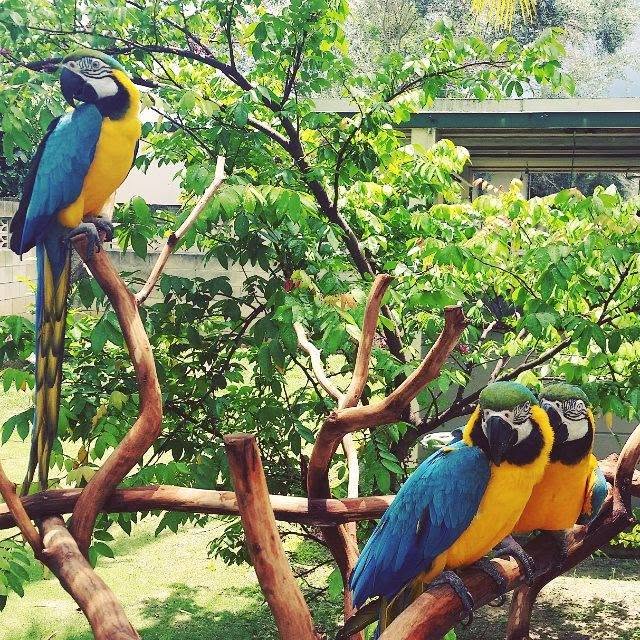
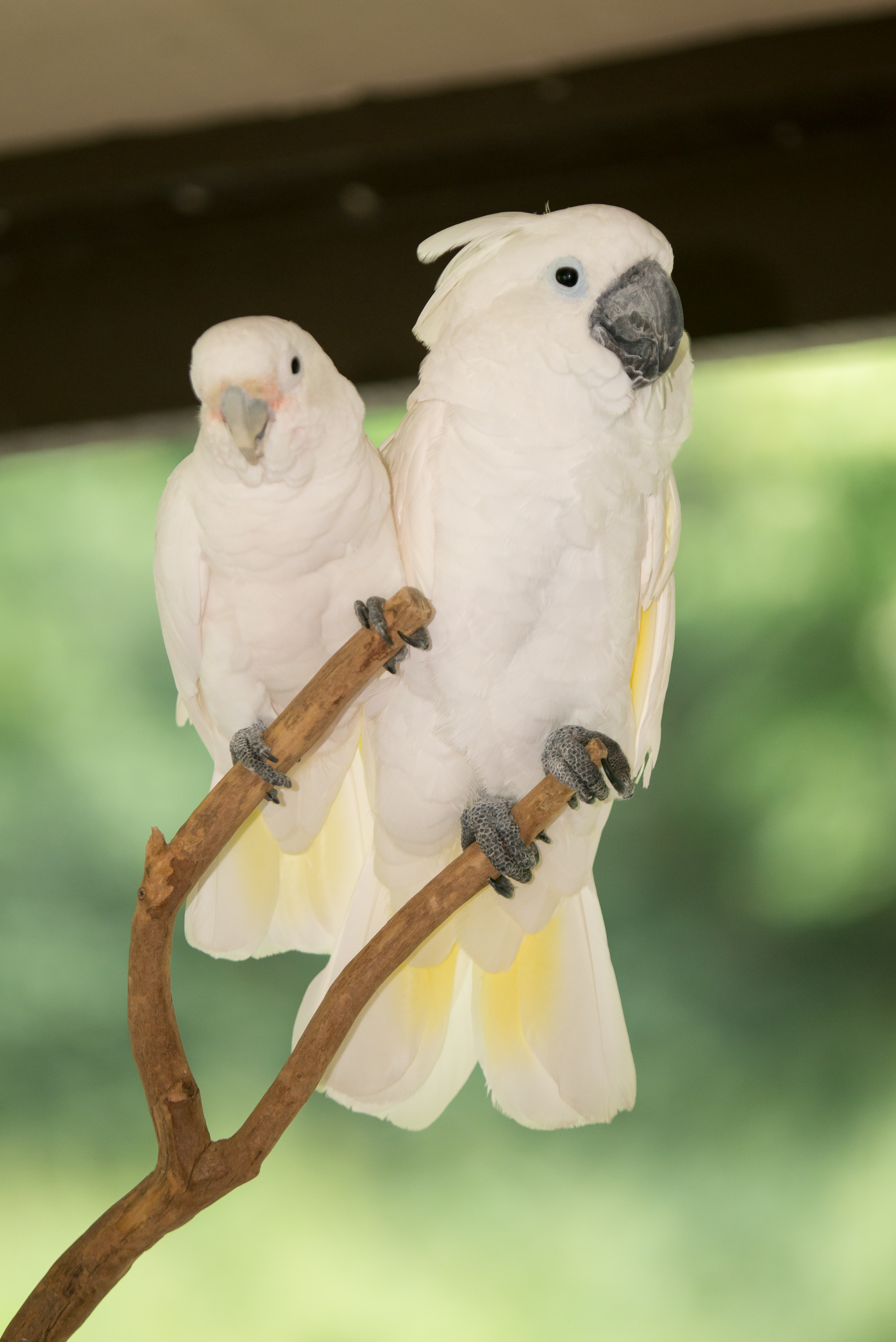
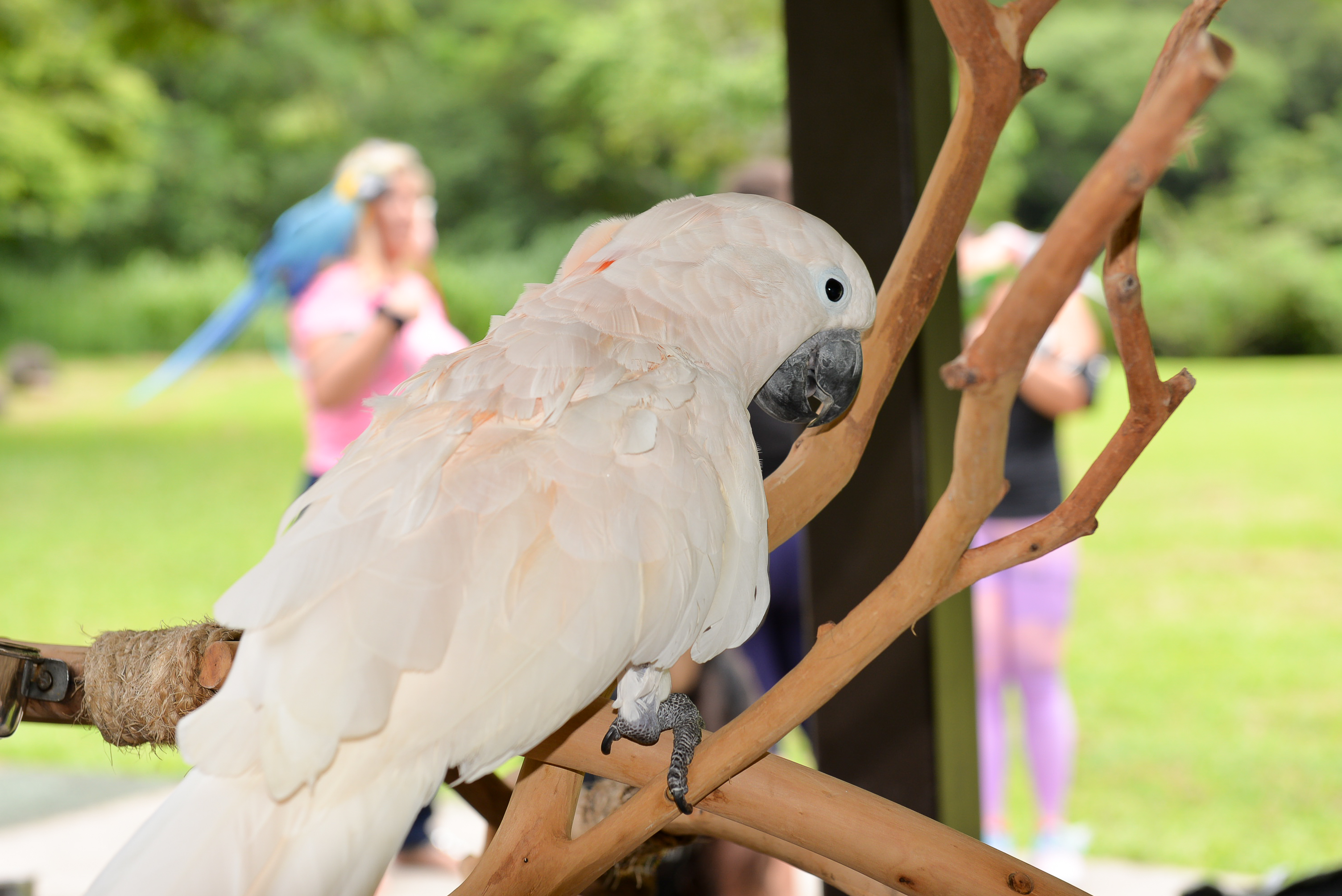
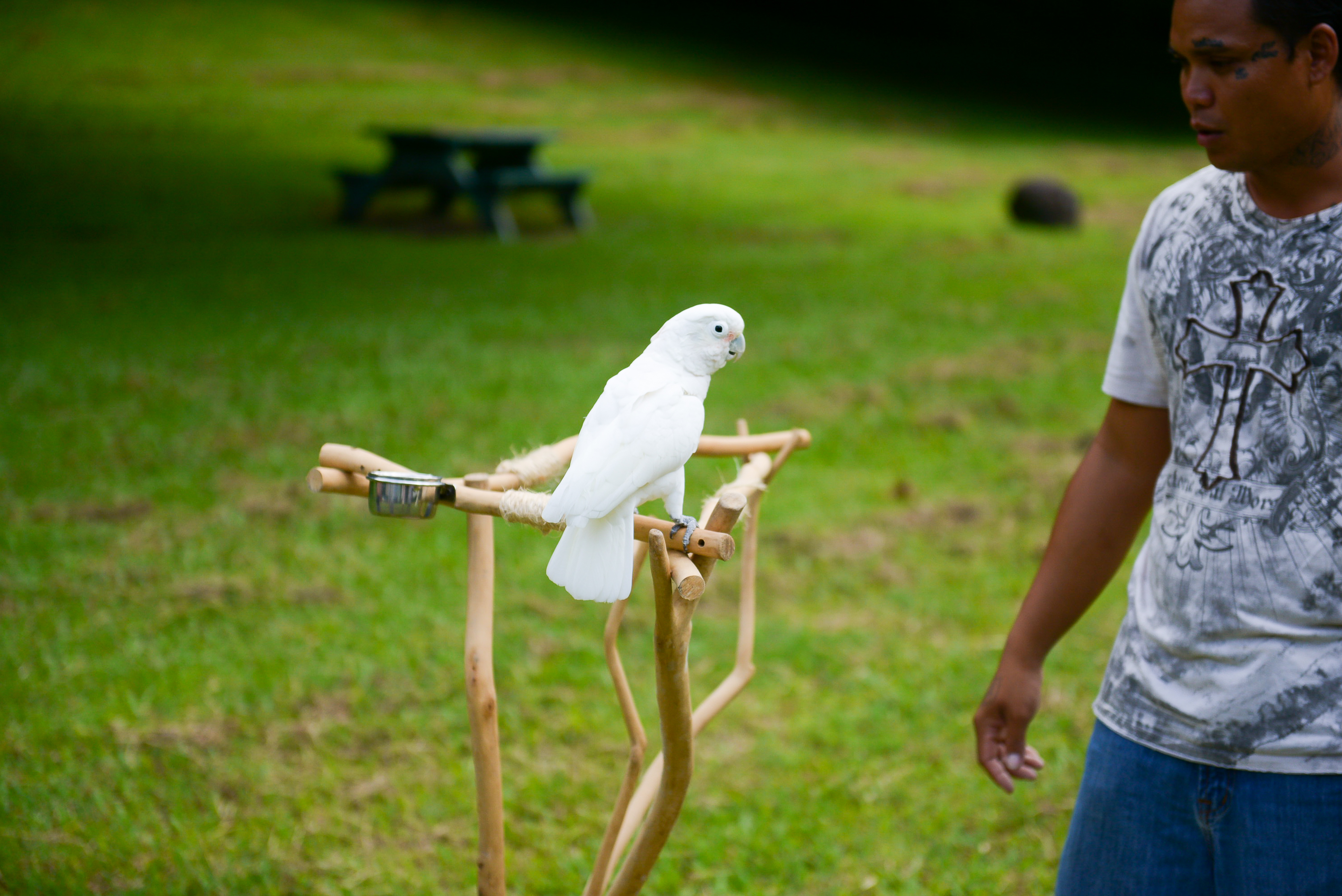
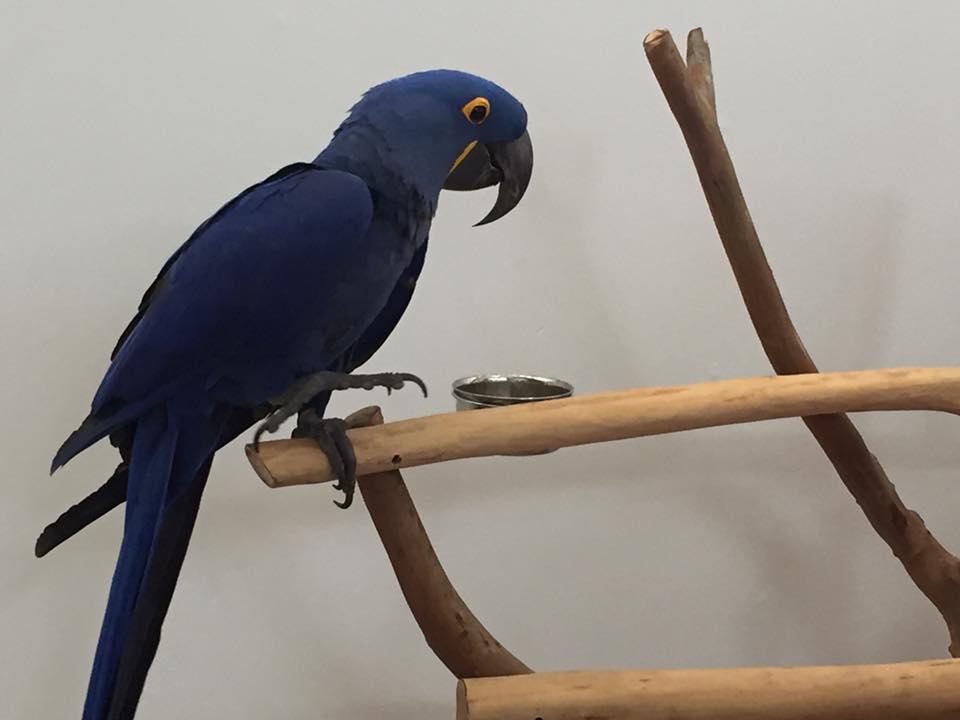
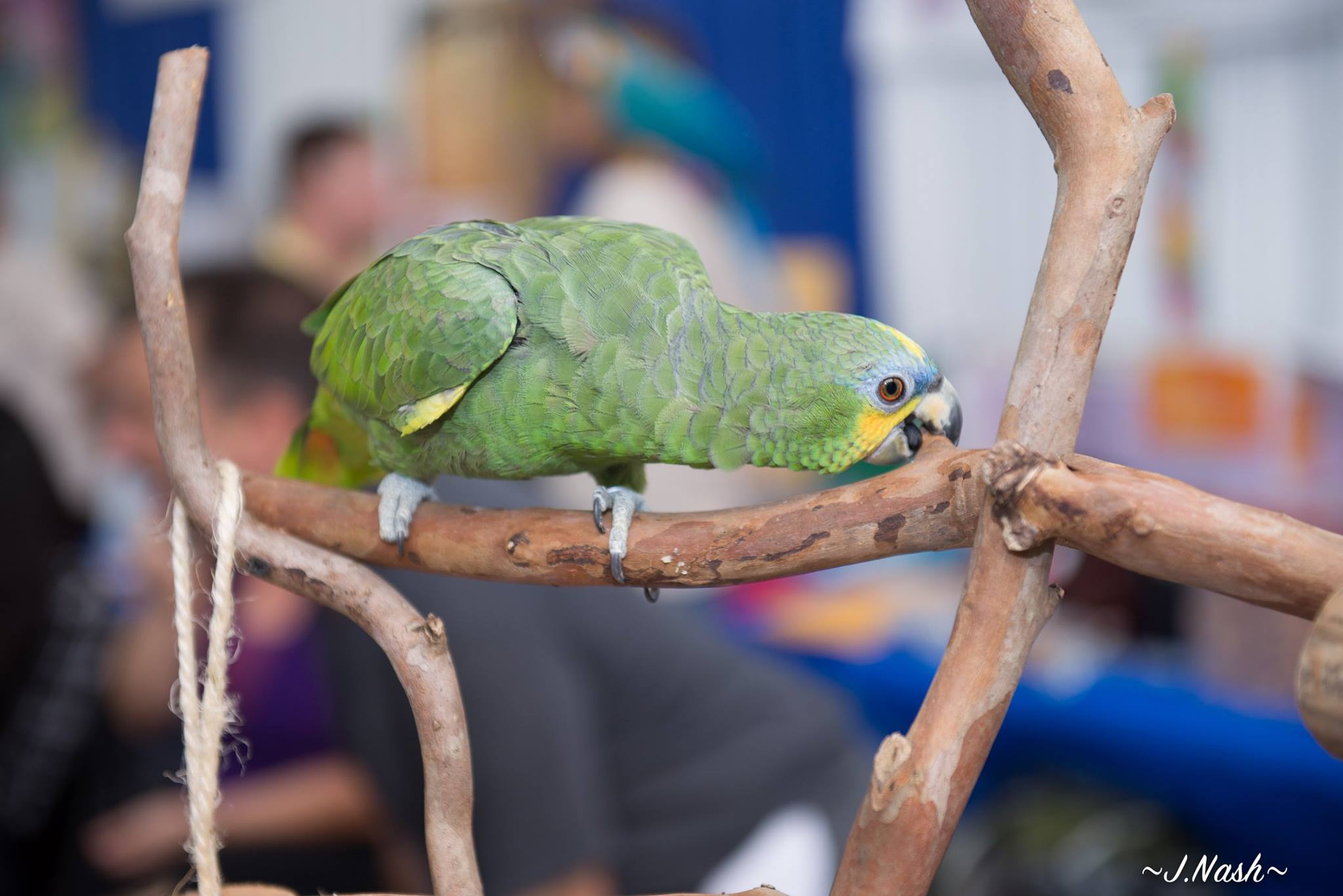
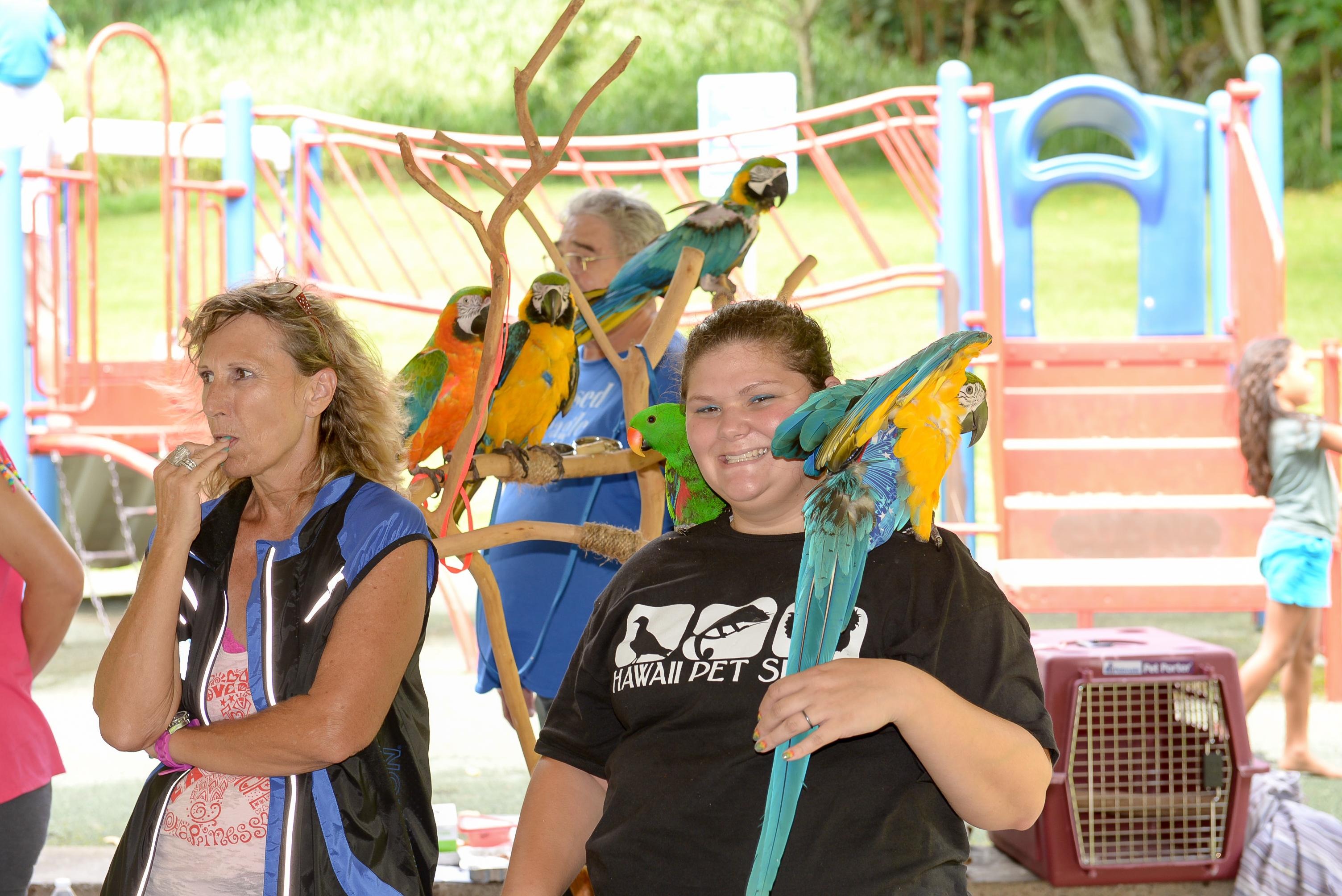
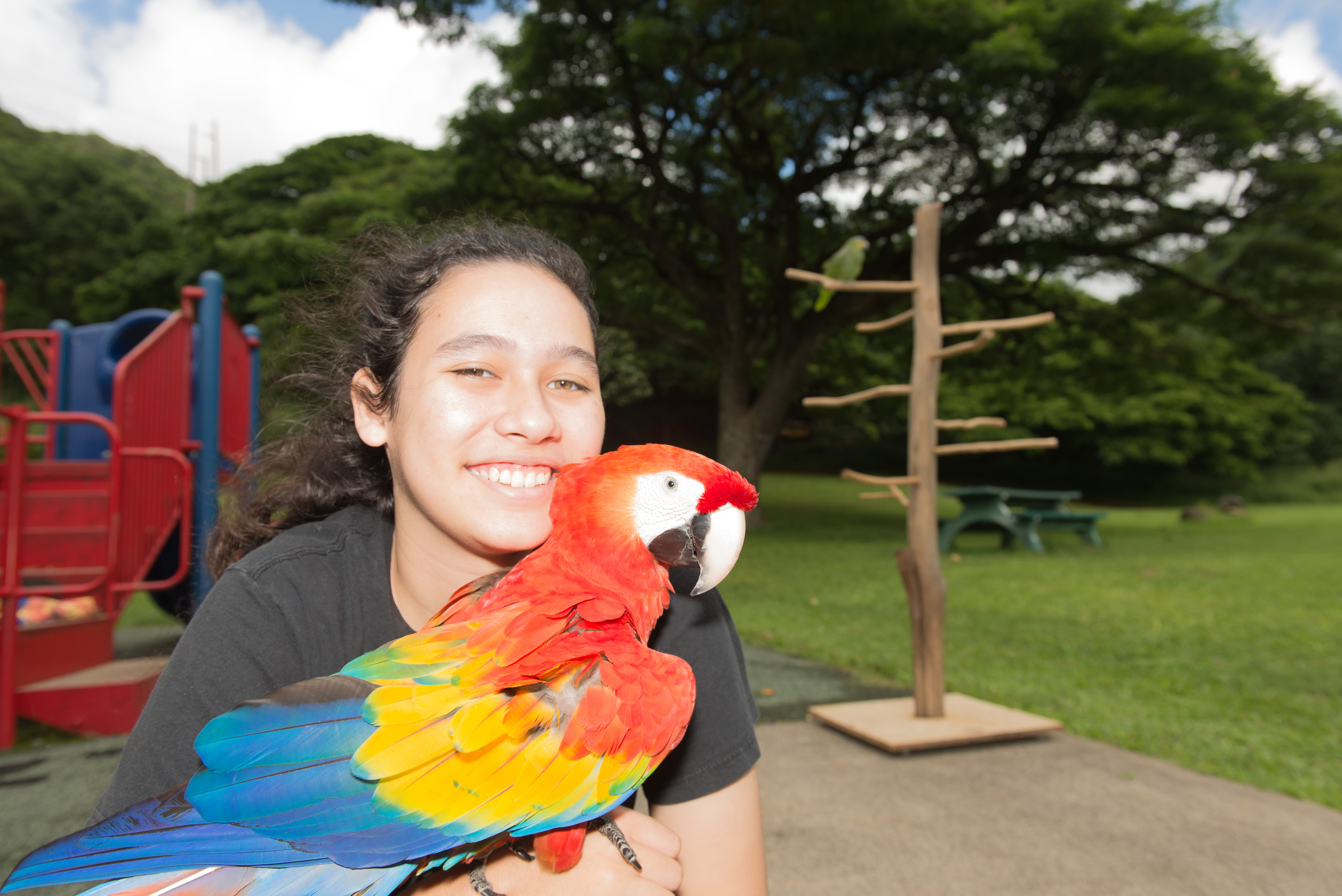
There is no better proof of a well-built stand than a parrot who chooses to spend time on it. These are birds from HFFN events and member homes — relaxed, engaged, and right where they belong.
Choosing the Right Wood in Hawaiʻi
The most important factor in building or selecting a tree stand is wood safety. Not all wood is safe for parrots — some species are toxic, and others may have been treated with pesticides, herbicides, or preservatives that pose serious risks. In Hawaiʻi, we are fortunate to have access to a number of safe, durable, locally available options.
Safe Local Woods
- Monkeypod — durable, beautiful grain, widely available
- Guava — hard, dense, excellent for chewing resistance
- Hau — lightweight, good for smaller stands
- Java wood — widely used in parrot furniture; naturally pest-resistant
- Coconut palm — fibrous texture birds love to work
- Bamboo — true bamboo species; excellent for perch inserts
What to Avoid
- Mango wood (high tannin content — avoid)
- Any pressure-treated or chemically preserved lumber
- Cedar and redwood (aromatic oils toxic to birds)
- Oleander branches (extremely toxic)
- Plumeria / frangipani branches
- Avocado wood (all parts toxic)
- Any wood from roadside trees (pesticide/herbicide exposure)
- Painted, varnished, or stained wood of any kind
- Wood with unknown species identification
If you cannot positively identify a wood species and confirm it is safe for parrots, do not use it. Many Hawaiʻi plants have common names that are applied to multiple species — always verify the botanical name. Reach out to HFFN if you are unsure about a specific local wood.
Preparing Foraged Branches
Fresh-cut branches from verified safe, pesticide-free trees make wonderful additions to tree stands and cages. Before use, scrub them thoroughly with a stiff brush under running water, then bake in the oven at 250°F for 1–2 hours to kill any surface mites, bacteria, or fungal spores. Allow to cool completely before offering to your bird. Replace when they become heavily soiled or show mold growth, which in Hawaiʻi’s humidity can happen faster than on the mainland.
What Makes a Good Tree Stand
Stability
A stand that wobbles or tips is a stand that will eventually injure a bird or be abandoned. The base must be wide enough and heavy enough to support the bird’s full weight at the outermost branch point without tipping. For large macaws and cockatoos, this means a genuinely substantial base — lightweight stands are not appropriate. Test stability before your bird uses it by pushing firmly on the highest and furthest perch point.
Perch Variety
The value of natural wood branches over uniform PVC or dowel perches is in their variety. A single tree stand should offer multiple diameters — thin branches for smaller grips, thick branches for full foot extension — and ideally different textures. This variety exercises different muscle groups, prevents pressure sores, and keeps feet genuinely healthy. Aim for at least three distinct diameter ranges on any stand.
Height and Positioning
Most parrots prefer to be at or slightly above eye level with their guardian when out-of-cage. A stand that positions the bird too low can cause insecurity and reluctance to use it; one that positions the bird above human eye level can encourage dominant behavior in some species. Find the height that works for your bird through observation — it is usually somewhere between chest and shoulder height for the primary perch.
Easy Cleaning
Tree stands get messy — this is a feature, not a bug. But the design should make cleaning practical. Droppings, food debris, and feather dust accumulate quickly. In Hawaiʻi’s humidity, mold can follow within days. Choose a design where you can access all surfaces, and build or select stands where the base is non-porous or easily wiped down. Replace branches when they can no longer be adequately cleaned.
HFFN community members build custom tree stands from Hawaiian hardwoods for fellow parrot guardians. Stands can be sized for any bird from small conures to large macaws. If you are interested in acquiring a handcrafted HFFN stand, contact us through the link below — we will connect you with our builders and discuss your bird’s specific needs.
Beyond the Stand: A Complete Perch Ecosystem
A tree stand is the centerpiece, but a complete perch environment includes several types working together — in the cage, on the stand, and throughout the bird’s space. See our Housing & Enrichment page for the full perch guide; below is a quick reference for stand-specific perch options.
- Natural branch perches — the core of any tree stand; irregular diameter is the key benefit
- Rope perches — can be woven through stand branches for variety; inspect frequently for fraying
- Hanging perches — suspended from a stand arm, the movement challenges balance and is loved by active birds
- Boings — coiled rope perches that stretch; excellent for athletic birds who enjoy bouncing
- Drilled branch inserts — smaller diameter branches drilled and attached to a main trunk allow fine-tuning of diameter range