Hawaiian Feathered Friends Network
Hawaiʻi’s Premier Parrot Rescue · Education · Community Support · Parrot Club Organization
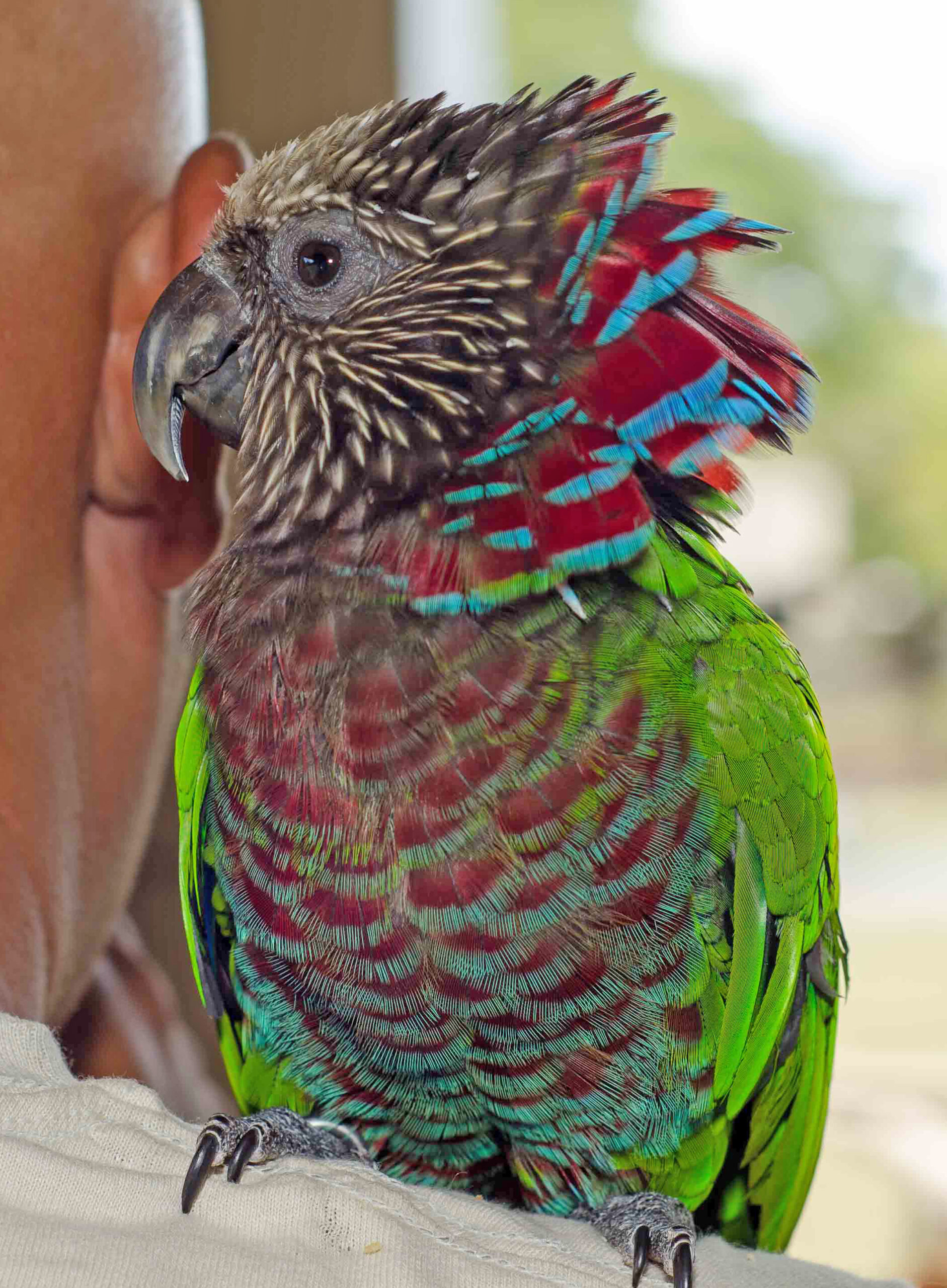
Hawk-Headed ParrotRed-Fan Parrot — Deroptyus accipitrinus
No other parrot on earth raises a fan of elongated neck feathers like a bird of prey spreading its wings. The Hawk-Headed Parrot is in a genus entirely its own — and a personality entirely its own to match.
One of a Kind — in Every Sense
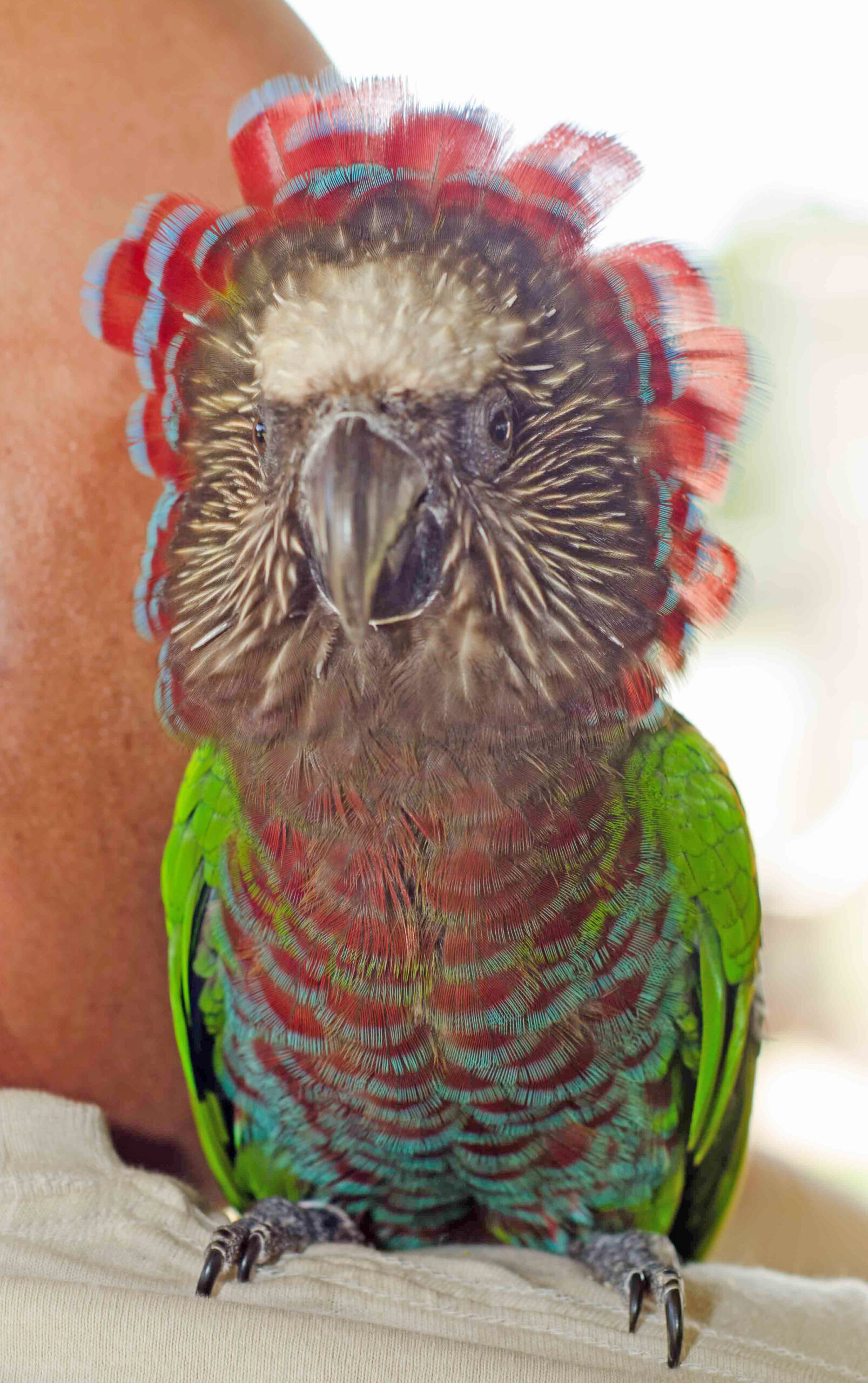
At rest, the Hawk-Headed Parrot is a study in rich, subtle beauty
The Hawk-Headed Parrot — also known as the Red-Fan Parrot — is the sole member of the genus Deroptyus and one of the most morphologically distinctive parrots in the world. Native to the Amazon Basin of South America, ranging from Colombia and Venezuela south through Brazil and into Bolivia and Peru, this bird occupies undisturbed lowland tropical rainforest and is rarely found outside primary forest habitats.
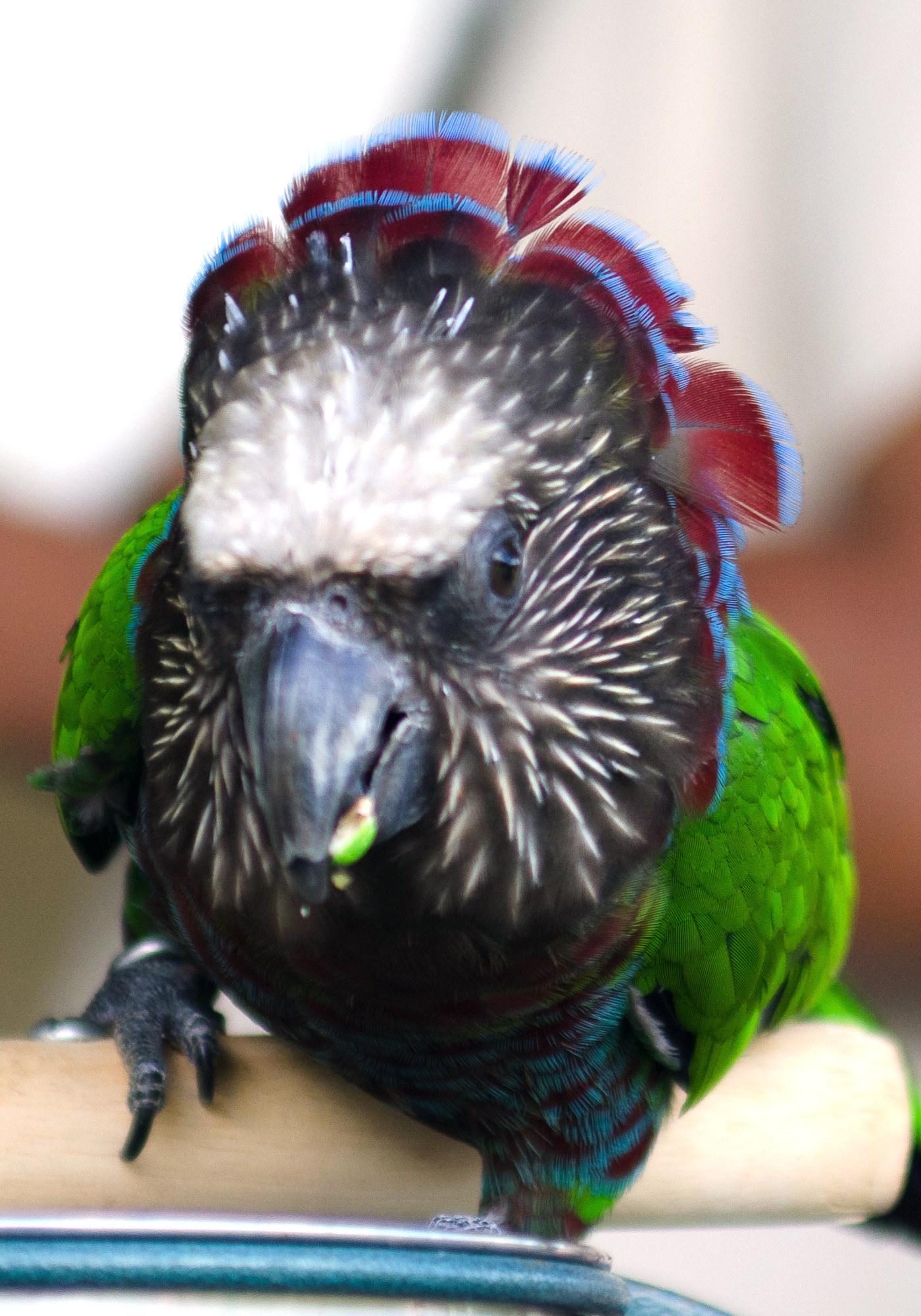
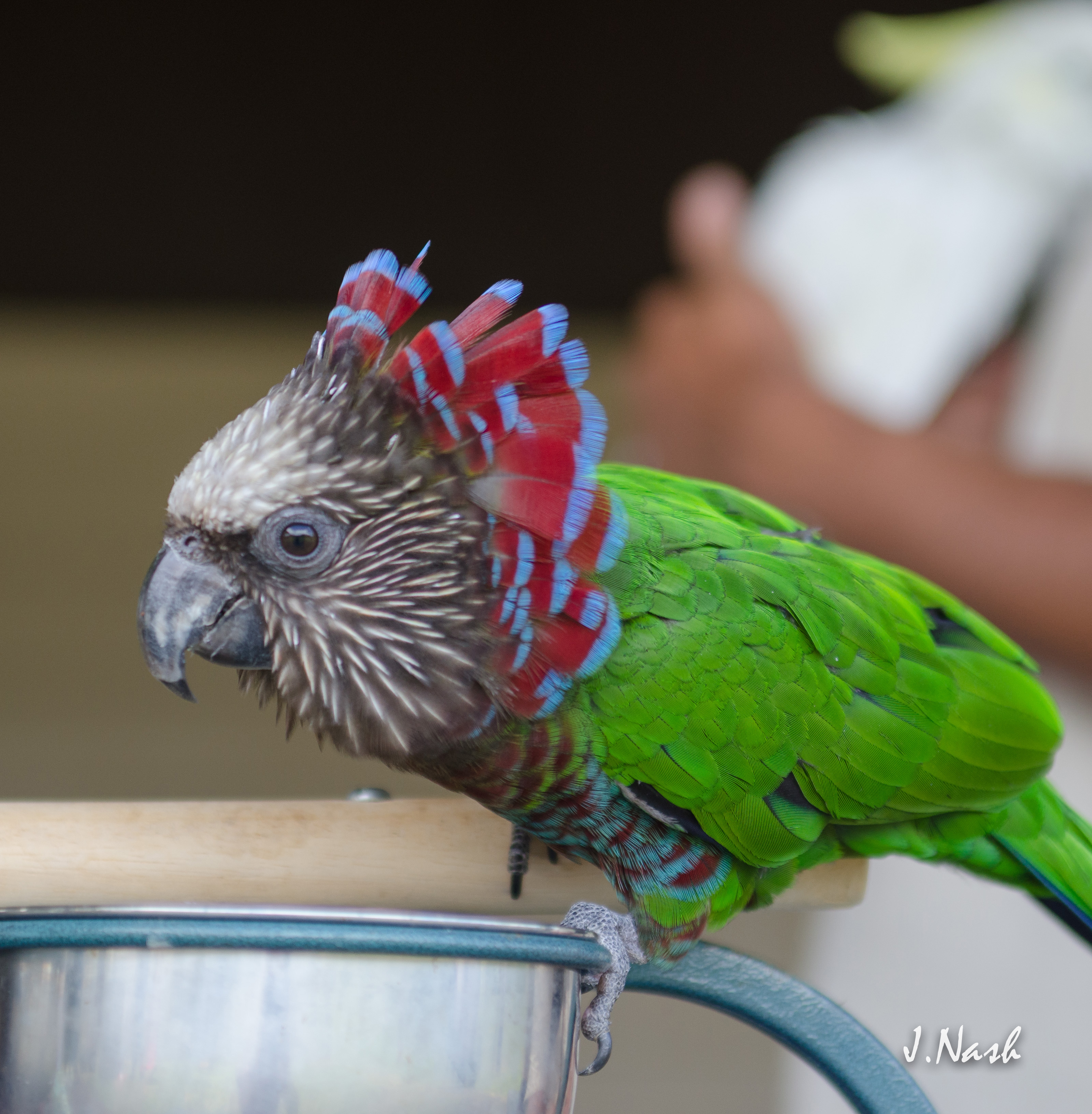
The species gets both its common names from its most extraordinary feature: a crown of elongated neck feathers banded in brilliant red and blue that the bird can raise into a dramatic fan around its head — giving it the silhouette of a hawk spreading its wings in threat display, and the visual effect of a living headdress. This display is unlike anything seen in any other parrot species in the world.
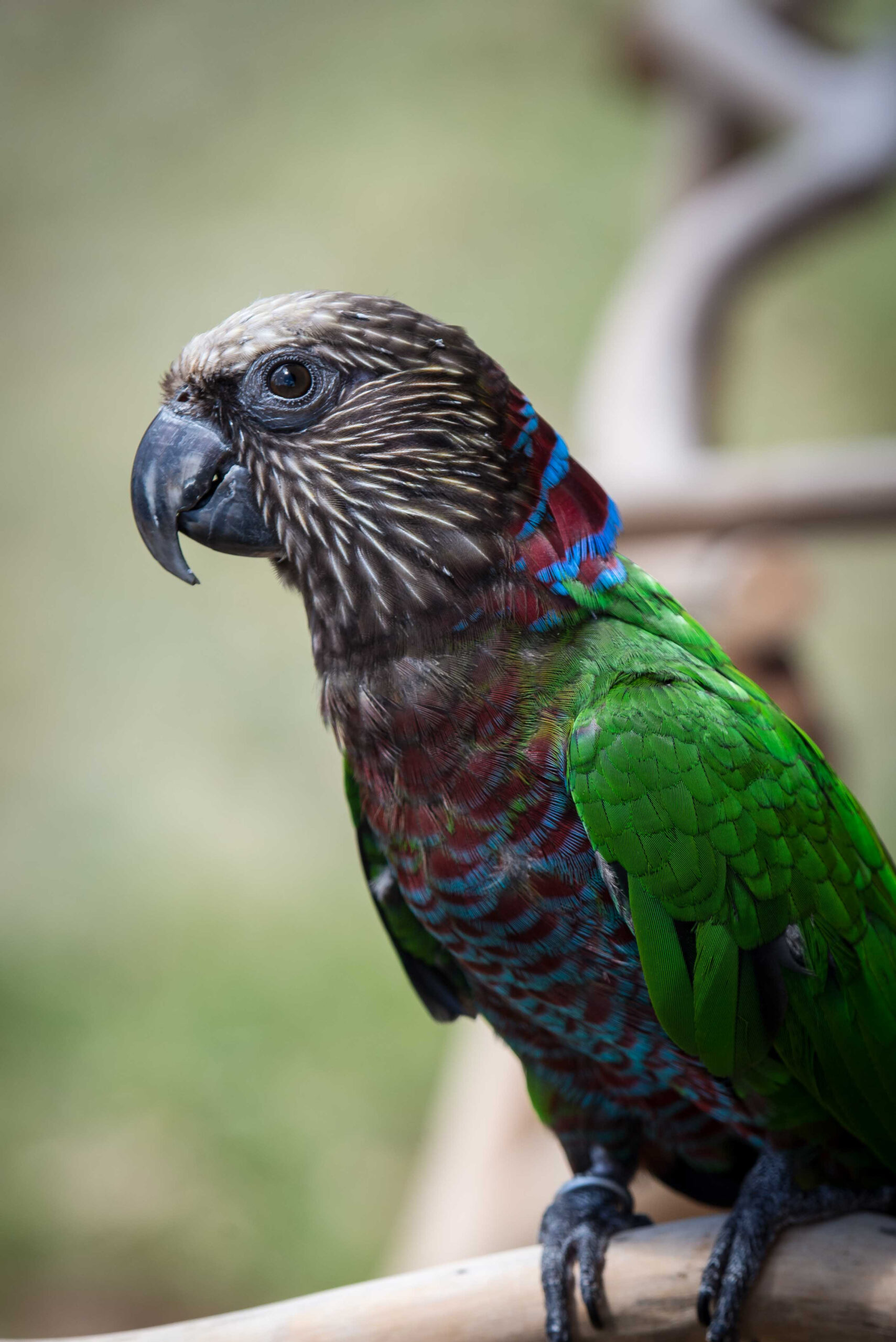
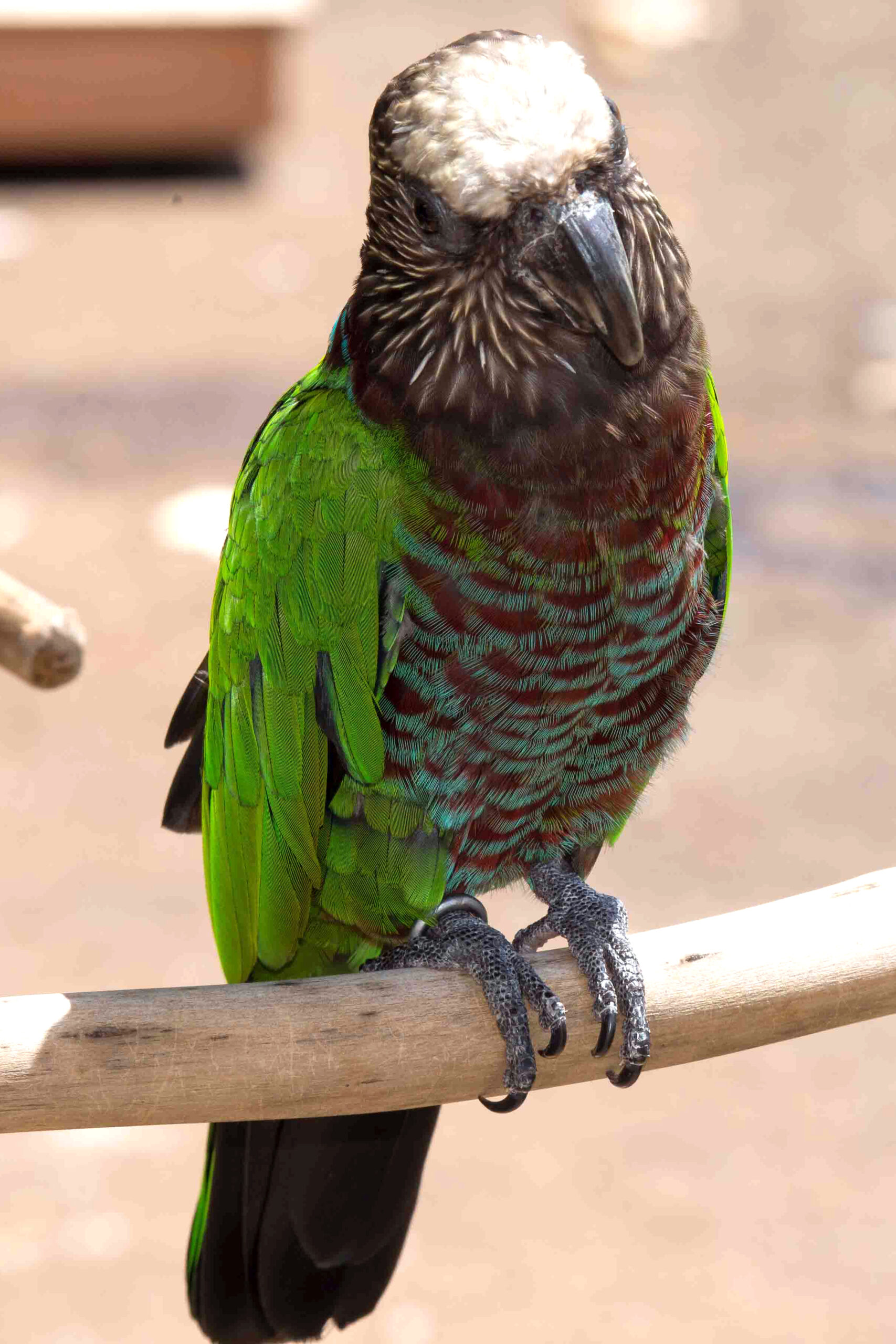
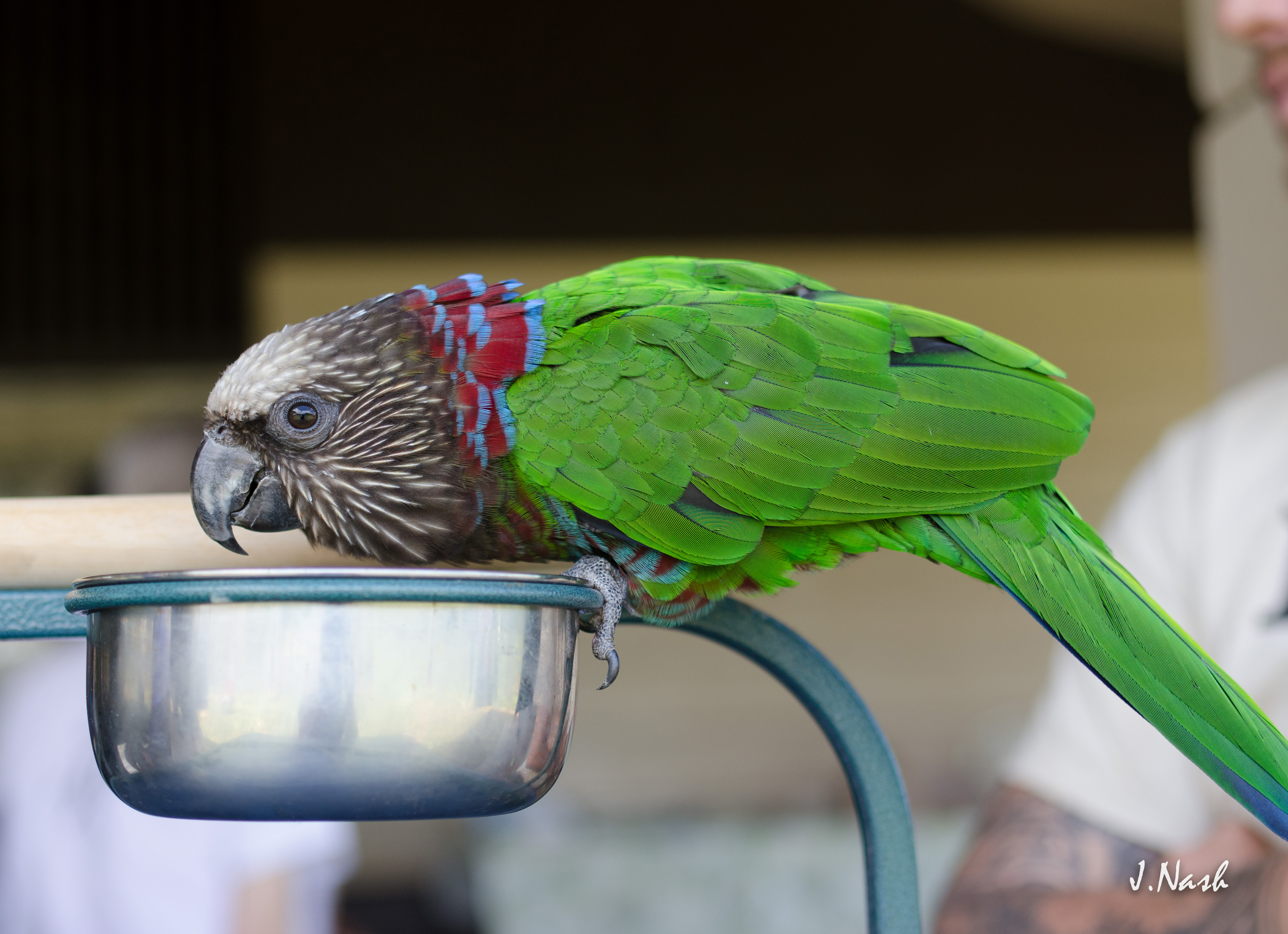
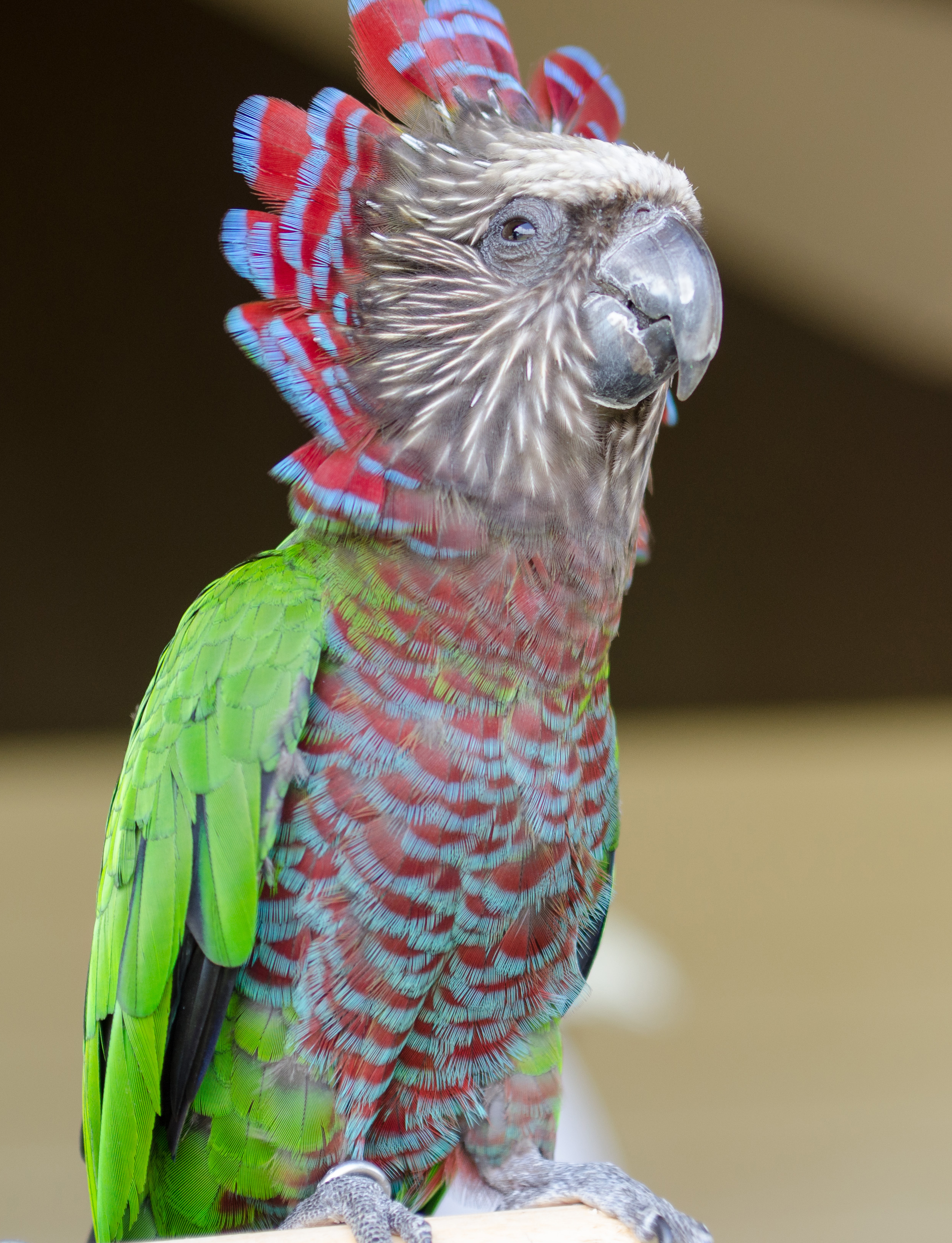
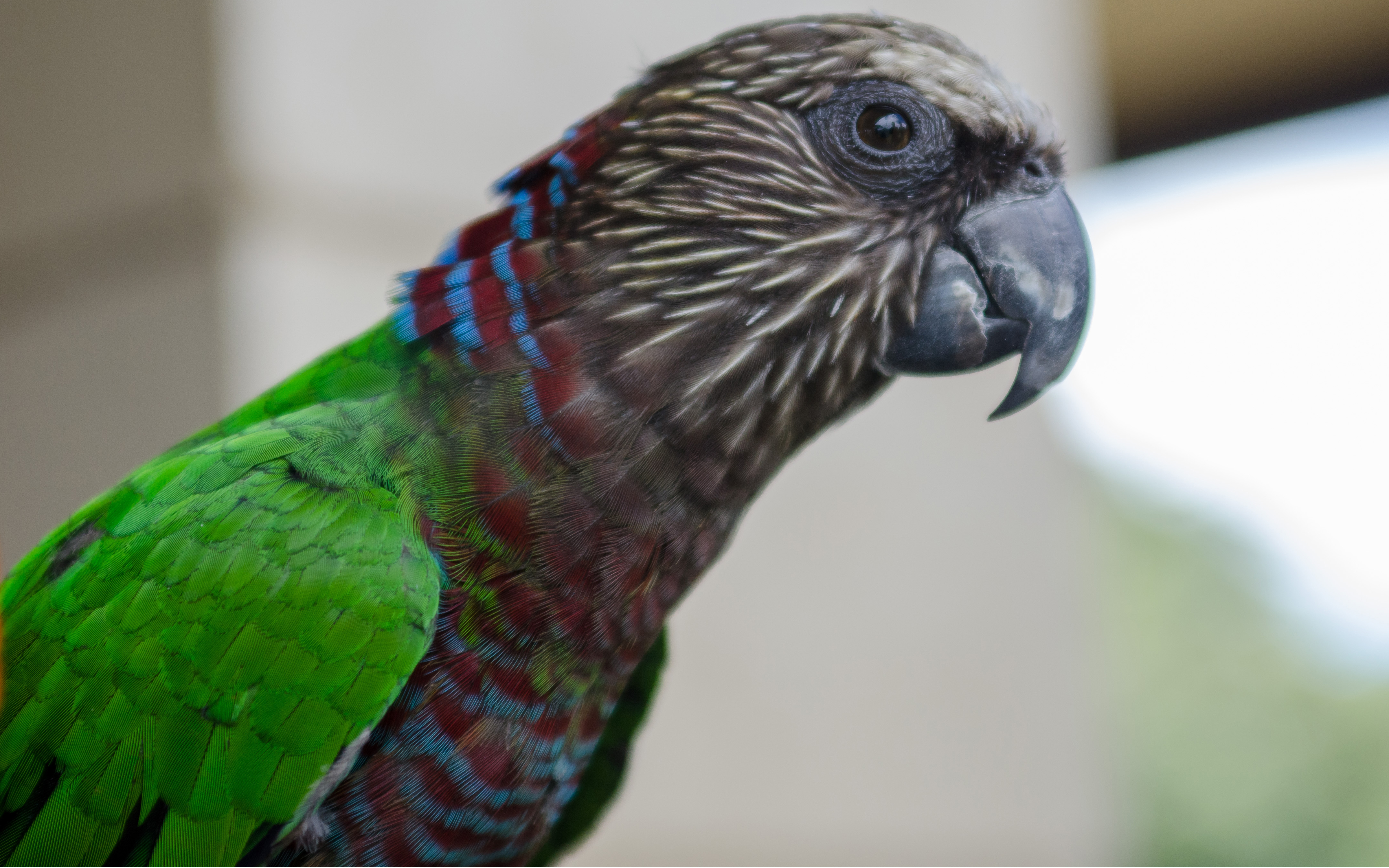
In overall coloration, the Hawk-Headed Parrot is green above with a dark brown face streaked with white, and rich red breast feathers barred with blue. The bare eye ring is a deep red. The combination of colors — subtle at rest, explosive when displaying — makes this one of the most visually arresting parrots in aviculture, despite its relatively modest size of about 14 inches.
Two subspecies are recognized: Deroptyus accipitrinus accipitrinus, found north of the Amazon River, and Deroptyus accipitrinus fuscifrons, found south of the river and distinguished by a slightly darker brown forehead. In aviculture, both subspecies are kept, though fuscifrons is somewhat more common.
🌺 The Hawk-Headed Parrot in Hawaiʻi
The Hawk-Headed Parrot is exceptionally rare in Hawaiʻi. HFFN currently has one member who keeps one of these magnificent birds — and the photos throughout this page are all of that same special individual. We consider ourselves very fortunate to have this species represented in our community at all. It is our sincere hope that an experienced aviculturist in the islands will one day take on the rewarding challenge of breeding Hawk-Headed Parrots in Hawaiʻi, so that future generations of bird keepers here can continue to enjoy and learn from these truly extraordinary parrots.
The Most Dramatic Display in the Parrot World
Fan fully raised — the display that gives this bird both its common names
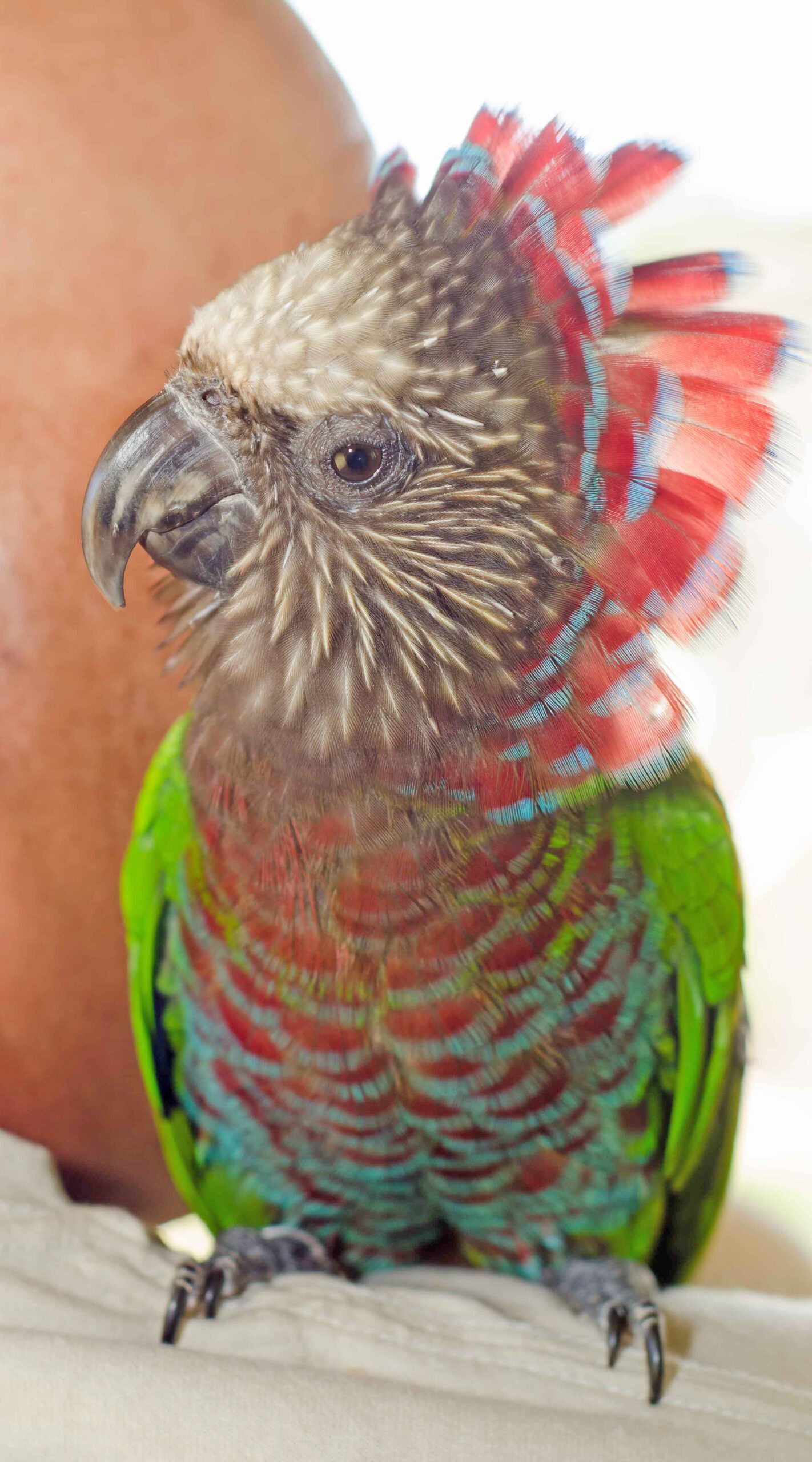
In profile — the banding of red and blue is unmistakable
The elongated neck and nape feathers of the Hawk-Headed Parrot are not merely decorative — they are a sophisticated communication and defense mechanism. When raised, they dramatically increase the bird’s apparent size, transforming a medium-sized parrot into something that looks considerably more formidable. In the wild, this display is used both as a threat to predators and rivals and as a form of social and emotional communication within the flock.
In captivity, the fan is an honest and highly readable emotional signal. Learning to interpret it is essential for anyone keeping this species:
A Hawk-Headed Parrot telling you something with its fan is never being subtle. The challenge is learning whether it is saying “back off” or “I am delighted to see you” — and that distinction only comes with time and careful observation.
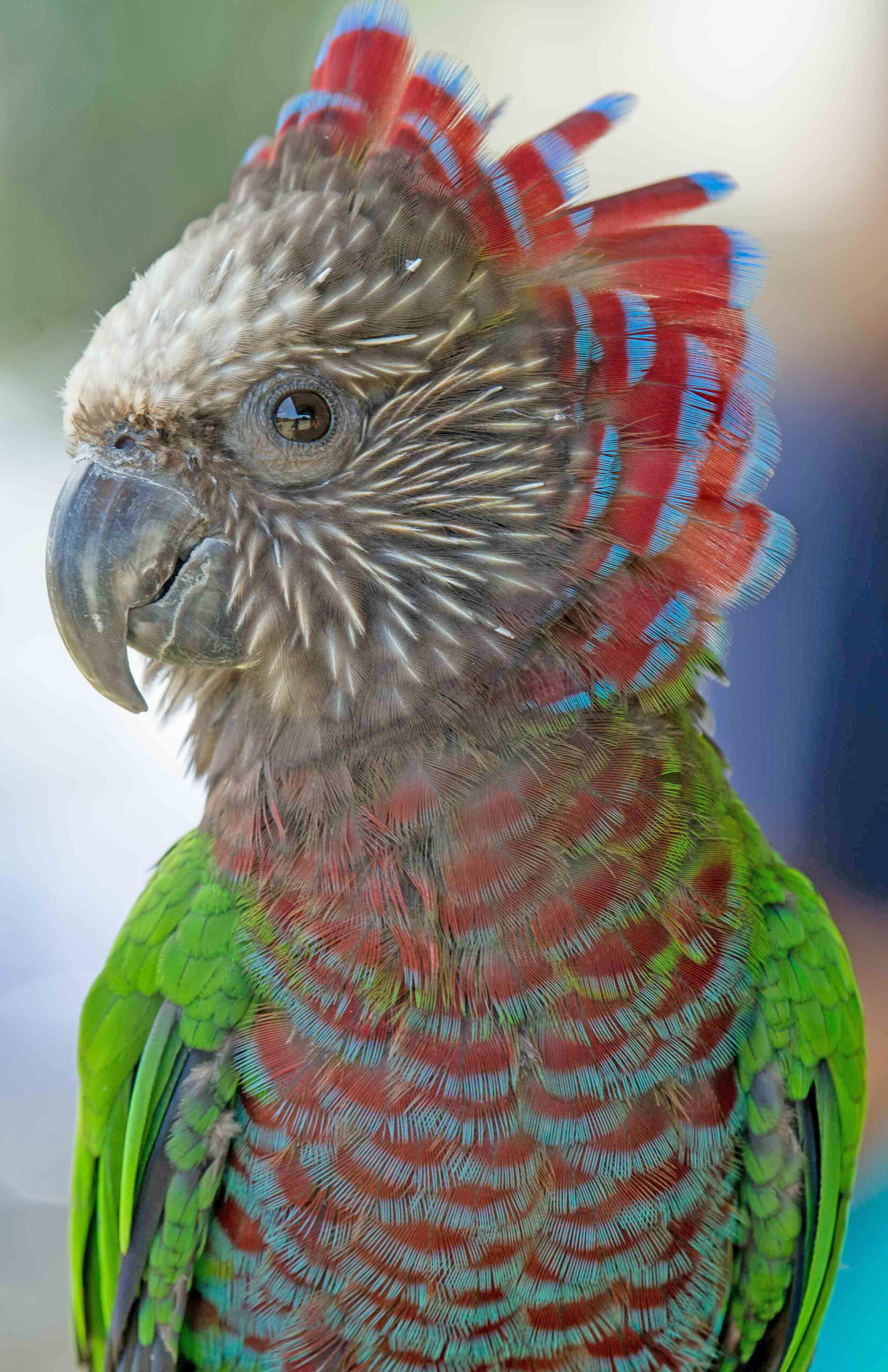
Fan beginning to rise
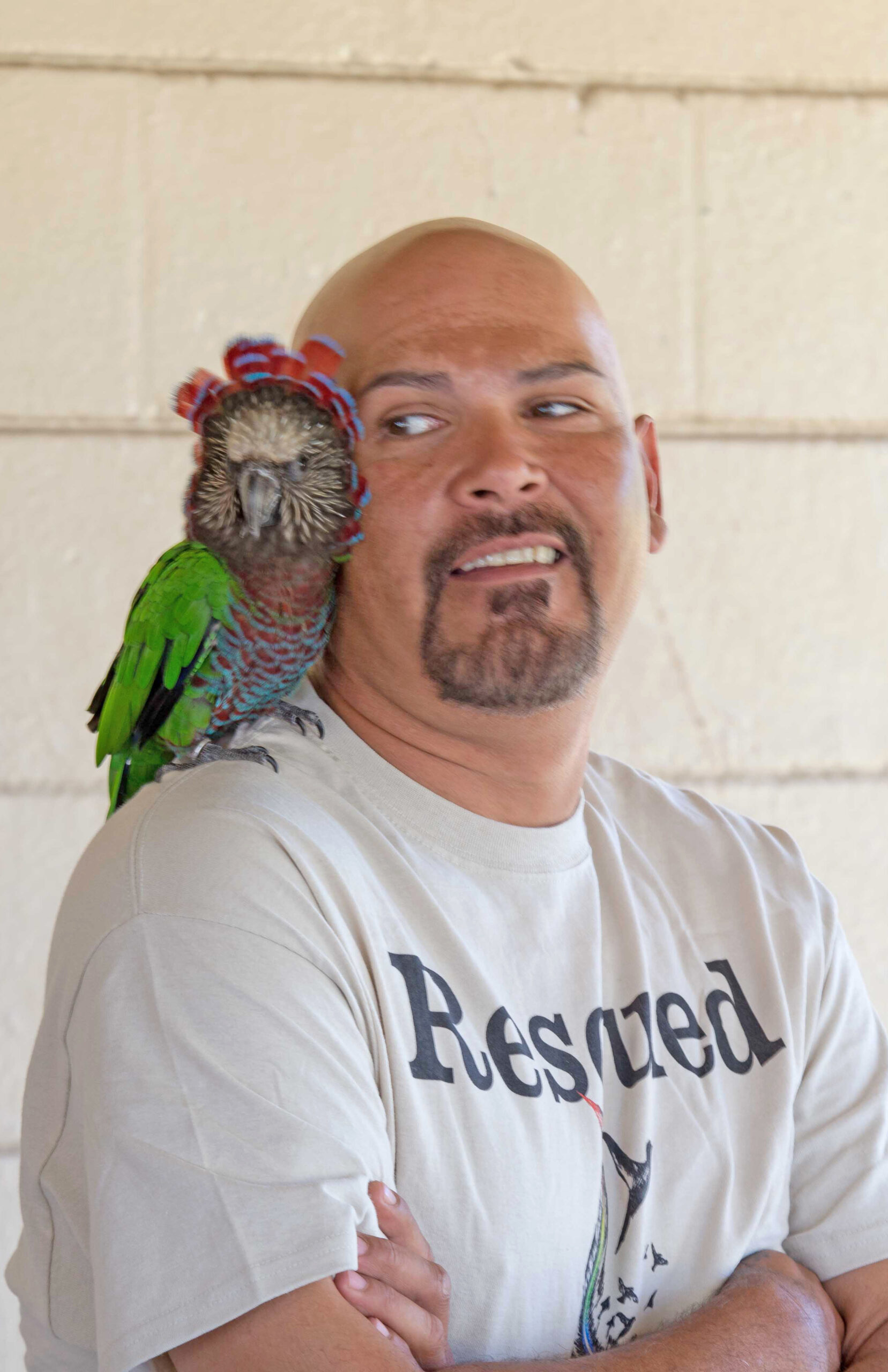
Mid-display
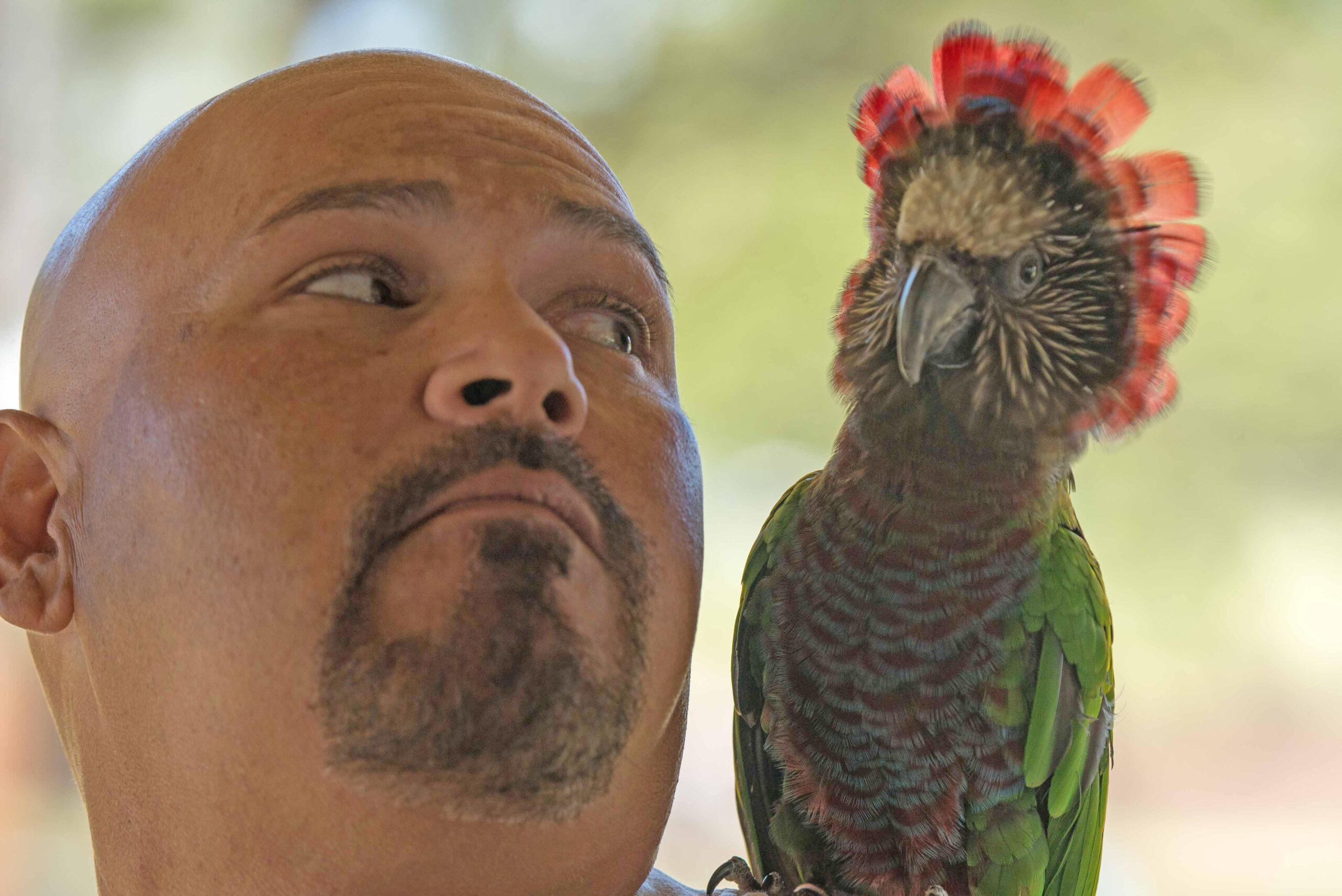
Fully extended
Intense, Intelligent, and Uncompromising
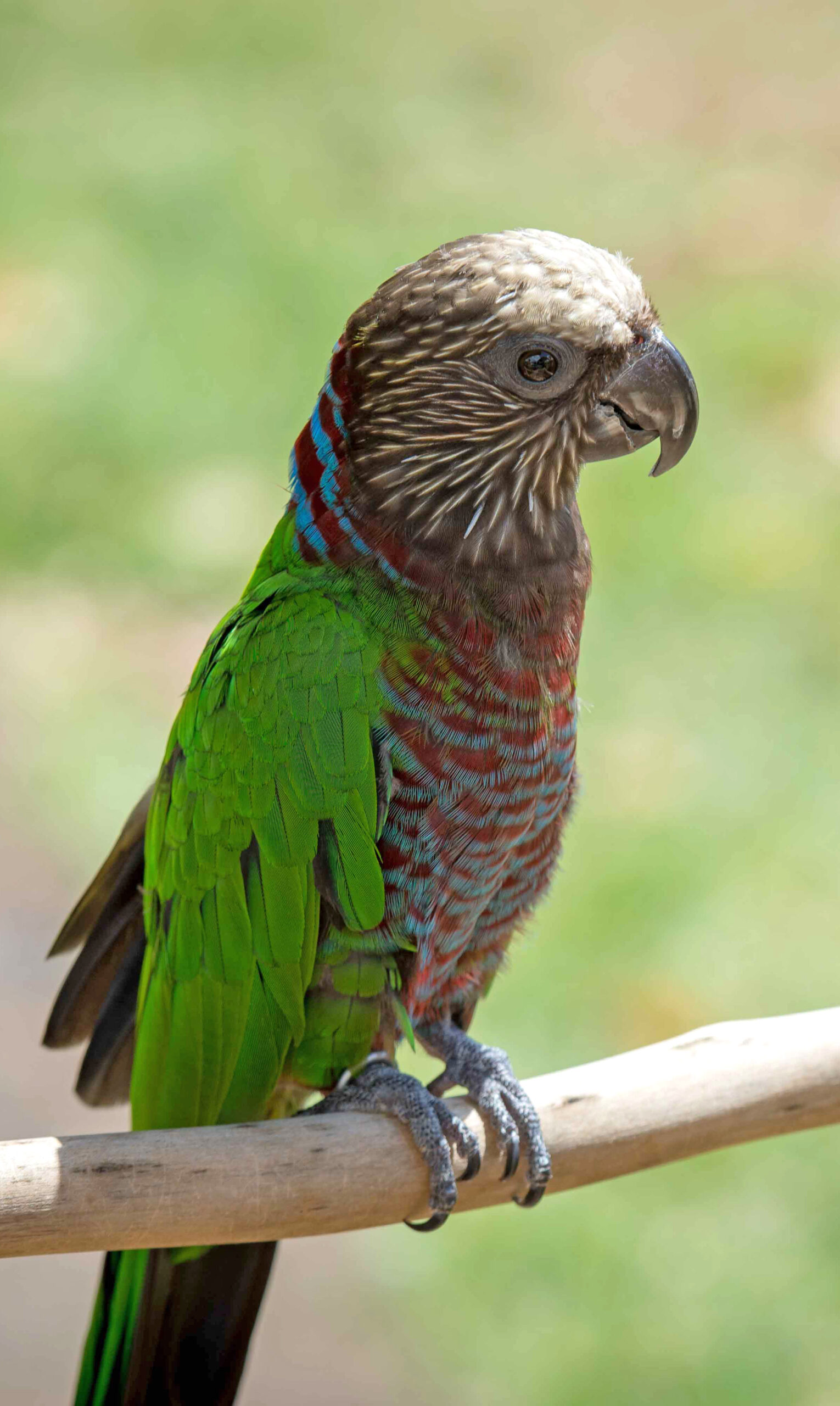
Alert, curious, and entirely self-possessed — on its own terms
The Hawk-Headed Parrot is not a bird for the faint of heart or the inexperienced keeper. It is intelligent, highly emotional, and capable of both extraordinary affection and sudden, serious aggression — sometimes within the same interaction. Adults can be particularly unpredictable, especially during breeding season, and even a well-socialized bird may decide without warning that today is not a handling day.
Juveniles are generally more docile and easier to socialize than adults, which is why early handling and positive reinforcement training are critical. A Hawk-Headed Parrot that has been well-worked with from a young age is a dramatically different bird from one that was not — but even the best-socialized individual retains the species’ characteristic intensity and will always require a keeper who can read its body language accurately and respond appropriately.
The Hawk-Headed Parrot is strongly inclined to bond with a single person and can become highly territorial toward others — including other birds. The species is not known for broad sociability; it is known for deep, exclusive loyalty to its chosen person. That loyalty, when it is given, is remarkable. A Hawk-Headed Parrot that has genuinely bonded with its keeper is affectionate, demonstrative, playful, and deeply engaged.
Is This the Right Bird for You?
The Hawk-Headed Parrot is genuinely suited to a very specific type of keeper — experienced with parrots, patient with difficult behavior, willing to invest significant time in training and socialization, and capable of reading and respecting the bird’s emotional signals without taking them personally. If you are drawn to this species by its dramatic appearance alone, please spend time with one before making any decisions. They are extraordinary birds that deserve extraordinary commitment.
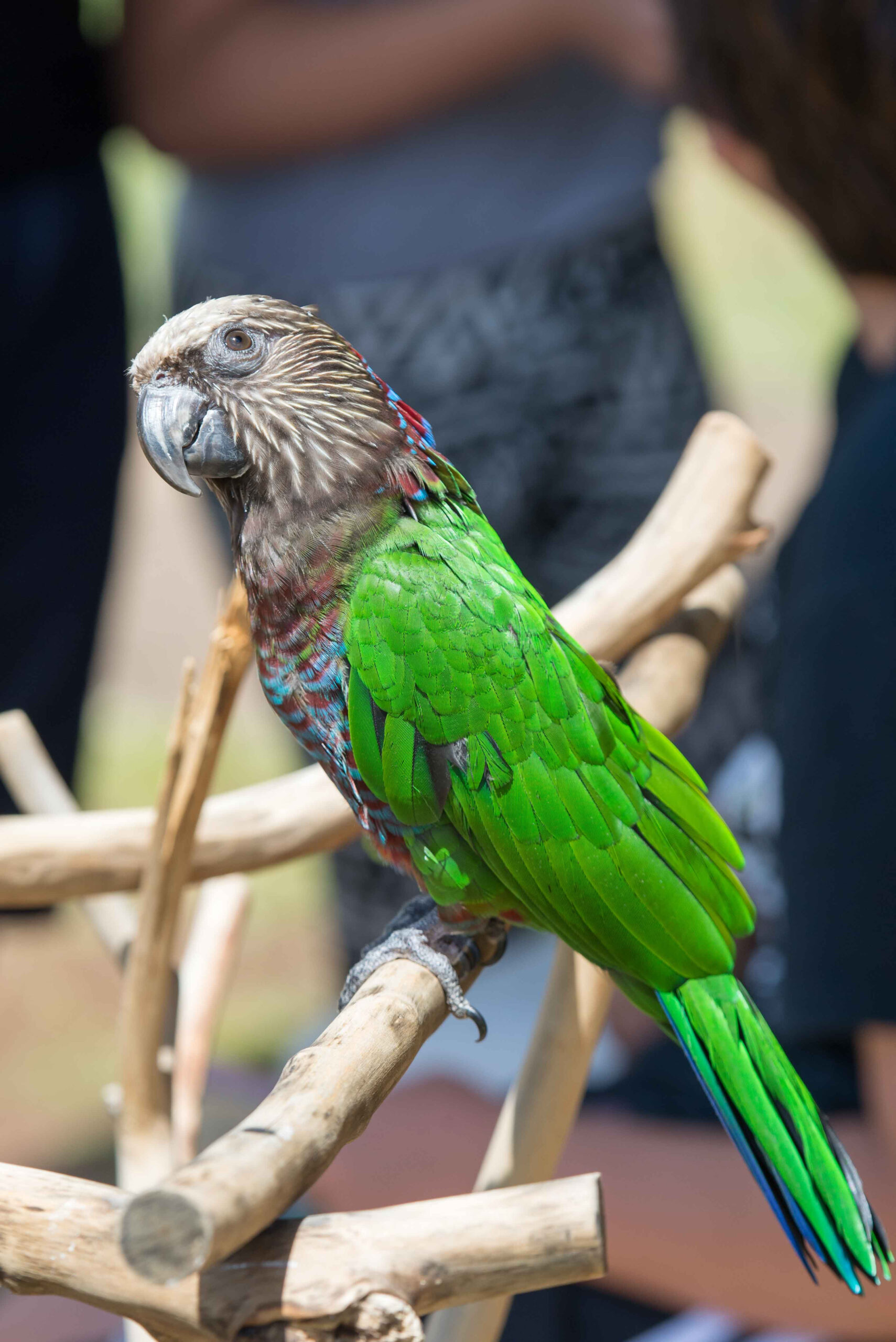
The affectionate side — when the bond is genuine, it shows
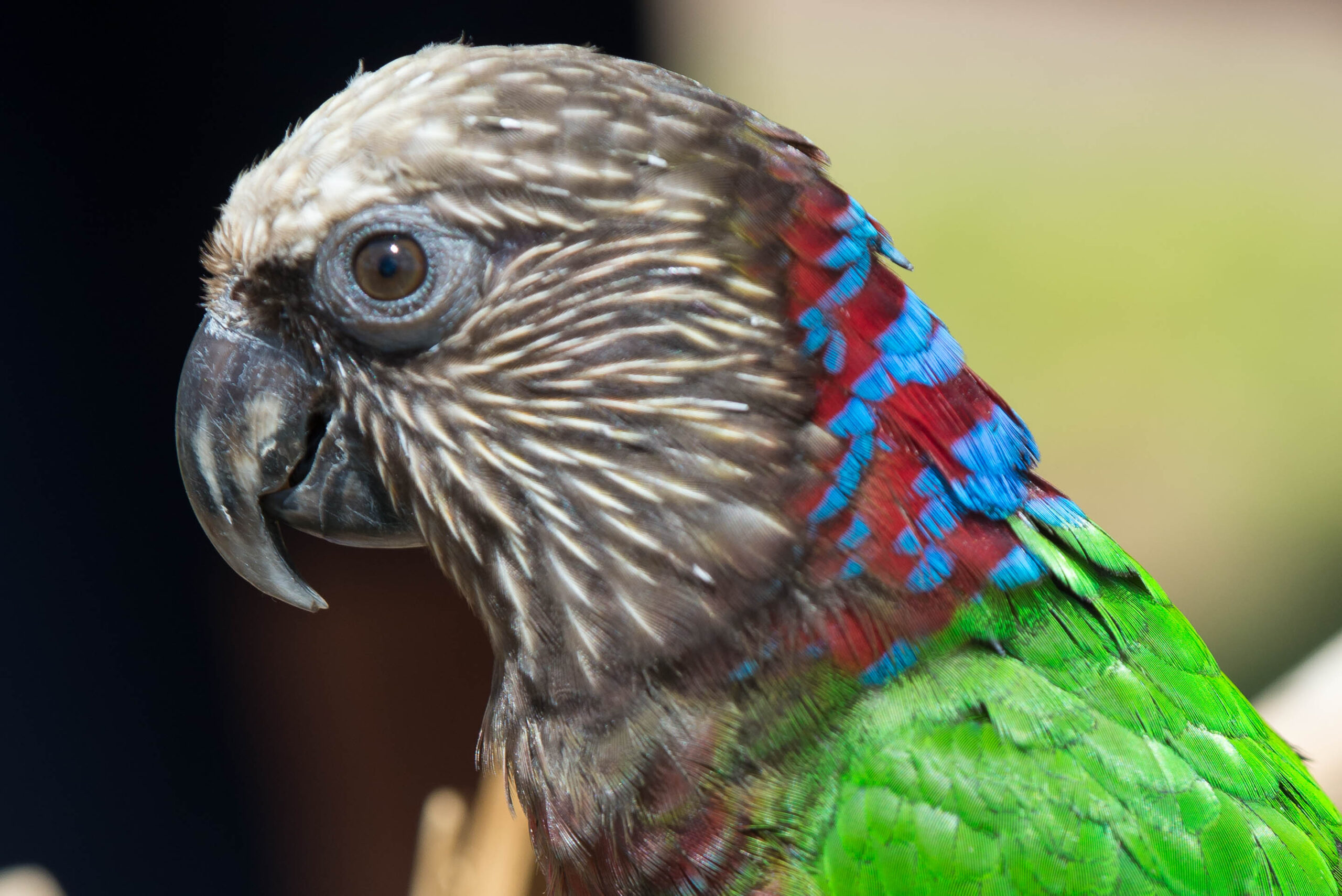
Curious and playful — a well-enriched bird in its element
Meet HFFN’s Only Hawk-Headed Parrot
All of the photographs on this page were taken by HFFN Board Member Jeff Nash of the only known Hawk-Headed Parrot in our club — an HFFN member on Oʻahu. We are deeply grateful for their generosity in sharing these images with our community. This remarkable bird is a living ambassador for a species that most Hawaiʻi bird lovers will never have the chance to meet in person.
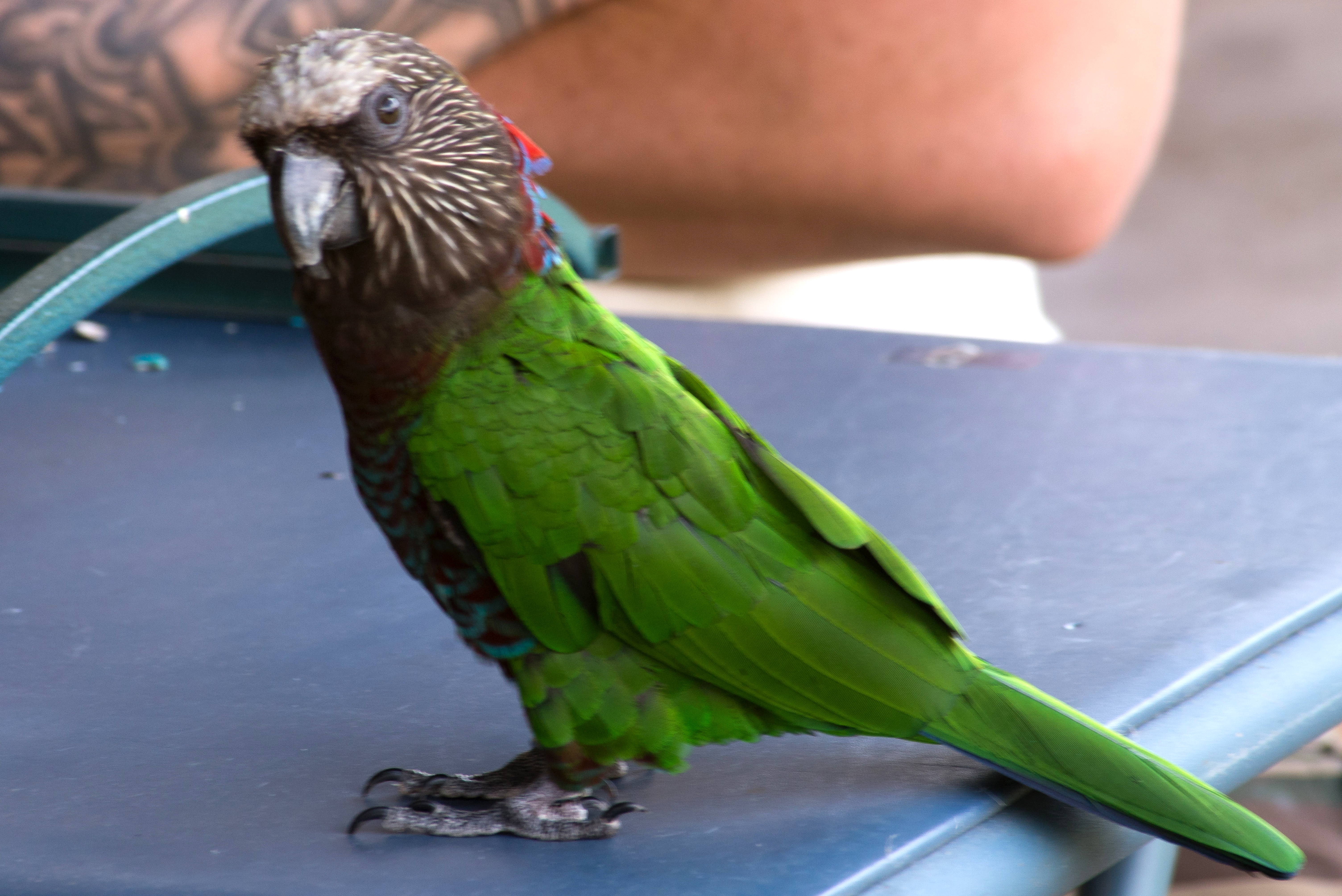
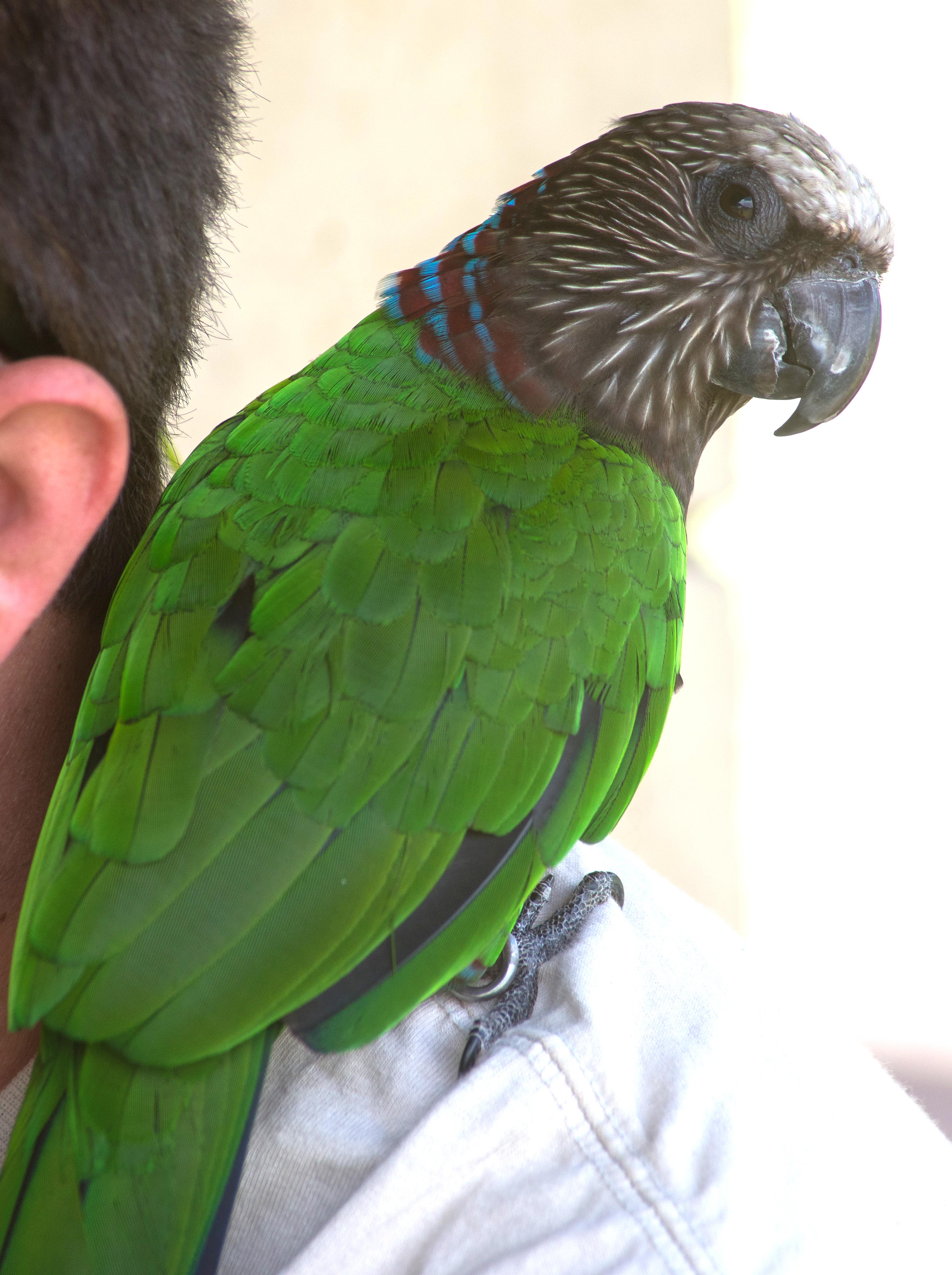
A Forest Specialist
The distinctive profile — green above, red-barred chest, dark streaked face
In the wild, Hawk-Headed Parrots are birds of primary, undisturbed tropical rainforest. Unlike many parrot species that have adapted well to secondary forest and human-modified landscapes, Deroptyus accipitrinus shows a strong preference for intact forest with tall canopy — a habitat requirement that makes it increasingly vulnerable as deforestation continues across its range.
They move through the forest in small groups or pairs, foraging for fruits, seeds, flowers, and likely insects and larvae. Their calls in the wild include a high-pitched, somewhat hawk-like screech — which, combined with their fan display and predatory silhouette, may provide some protection from aerial predators through mimicry.
Nesting occurs in tree cavities, typically high in the canopy. Clutches are generally 2–3 eggs, with an incubation period of approximately 26 days. Both parents share in feeding the chicks, which fledge at around 10–12 weeks.
Population data for wild Hawk-Headed Parrots is limited due to the remoteness of much of their habitat. They are considered locally common in some areas and rare in others, with habitat loss representing the primary long-term threat. They are listed on CITES Appendix II, meaning international trade is regulated but not prohibited.
Space, Enrichment, and the Importance of Routine
Hawk-Headed Parrots require a spacious cage — at minimum 24 × 36 × 48 inches for a single bird, though larger is always better. Bar spacing of ⅝ to ¾ inch is appropriate. They are active, acrobatic birds that benefit from horizontal perching options at multiple heights, a variety of natural wood perches of differing diameters, and a generous rotation of foraging toys and chew items.
Diet should be based on a high-quality pelleted diet comprising approximately 60–70% of total intake, supplemented with a wide variety of fresh vegetables, limited fruit, and very limited seed and nut. Fresh foods with high vitamin A content — dark leafy greens, sweet potato, carrots, red bell pepper — are particularly important. Hawk-Headed Parrots in the wild consume a diverse range of forest foods and do not thrive on seed-heavy diets in captivity.
Routine is critically important for this species. Hawk-Headed Parrots are sensitive to changes in their environment and social routine — rearranging the cage furniture, changing the feeding schedule, or introducing strangers can trigger significant stress responses. Introduce changes gradually where possible and always monitor the bird’s body language in the aftermath of any environmental change.
Out-of-cage time should be daily and supervised. Bathing is important for feather and skin health — a fine mist spray or shallow bath dish offered several times per week is ideal. In Hawaiʻi’s climate, daily misting is practical and beneficial year-round.
Common Conditions to Watch For
A well-cared-for Hawk-Headed Parrot in captivity can live 20–35 years or more. Because they are relatively uncommon in aviculture, species-specific health data is less extensive than for Amazons or African Greys — but the following conditions are most frequently reported:
- Feather-destructive behavior
- Psittacosis (Chlamydia psittaci)
- Psittacine Beak and Feather Disease (PBFD)
- Proventricular Dilatation Disease (PDD)
- Aspergillosis (fungal infection)
- Vitamin A deficiency (seed-heavy diets)
- Respiratory infections
- Heavy metal toxicity (zinc, lead)
- Obesity (seed-heavy diets)
- Stress-related illness
Feather-destructive behavior is particularly common in Hawk-Headed Parrots kept in inadequate environments or with insufficient social interaction and enrichment. Annual avian veterinary examinations with bloodwork are strongly recommended. Finding a vet with experience treating this species is worth the effort — avian vets in Hawaiʻi with Deroptyus experience are rare.
A Specialist in a Shrinking Forest
The Hawk-Headed Parrot is listed as Least Concern by the IUCN — a status that reflects its still-relatively-large range rather than any particular abundance. The species’ strong dependence on primary rainforest makes it significantly more vulnerable to habitat loss than its current conservation listing might suggest. As deforestation continues across the Amazon Basin, specialists like Deroptyus accipitrinus face pressures that generalist parrot species do not.
All Hawk-Headed Parrots in the United States pet trade are required to be captive-bred — wild-caught importation has been prohibited since the Wild Bird Conservation Act of 1992. If you are acquiring a Hawk-Headed Parrot, ensure it comes from a reputable captive breeder with verifiable documentation.
Captive breeding of this species is challenging — they can be aggressive toward mates and require specific conditions for successful breeding. A healthy captive population depends on dedicated specialist breeders maintaining carefully managed programs. HFFN would very much welcome the establishment of a Hawk-Headed Parrot breeding program in Hawaiʻi and would happily support any member who wished to pursue this.
Hawk-Headed Parrots in Rescue
Hawk-Headed Parrots in rescue are uncommon — this species is rare enough in aviculture that surrender situations are relatively infrequent — but they do occur, typically when an owner has taken on the bird without adequate preparation for its behavioral complexity, or when illness or life circumstances make continued care impossible.
A Hawk-Headed Parrot that has been surrendered may carry significant behavioral challenges that require patient, experienced rehabilitation. These are not birds that adapt quickly to new environments or new people. Placement requires a keeper who genuinely understands the species and is prepared for a long adjustment period.
HFFN screens placements for this species with particular care. If you believe a Hawk-Headed Parrot is the right bird for your situation, come to a meeting and tell us about your experience. We will have an honest conversation about what this commitment looks like in practice.
⚠️ A Note for Prospective Owners
The Hawk-Headed Parrot’s dramatic appearance and exotic reputation attract interest from keepers who may not be prepared for the behavioral reality of the species. This is not a beginner’s bird and cannot be managed through goodwill and enthusiasm alone. Please do your research, spend time with the species in person before making any decisions, and be honest with yourself about your experience level and your ability to meet this bird’s needs for the next two to three decades.